

Introduction: The Challenge of Generic Travel Photos
Many travelers return from remarkable trips only to find their photos do not reflect the true experience. Despite visiting breathtaking places and capturing special moments, the images often appear generic and similar to those commonly shared online. This disconnect between the lived experience and the resulting photos can be frustrating.
This is a common challenge for many travelers. Issues such as crowded landmarks, uncertainty about photographing people, or carrying excessive equipment can make it difficult to capture meaningful images. As a result, photos may lack personal connection or emotional impact, and the process can feel confusing or overwhelming.
This guide offers practical solutions to help you capture authentic and memorable travel photos. You will learn to address common challenges, adapt to unpredictable situations, and convey meaningful stories through your images. The advice provided is straightforward and actionable, enabling you to preserve your travel memories in a way that truly reflects their significance.
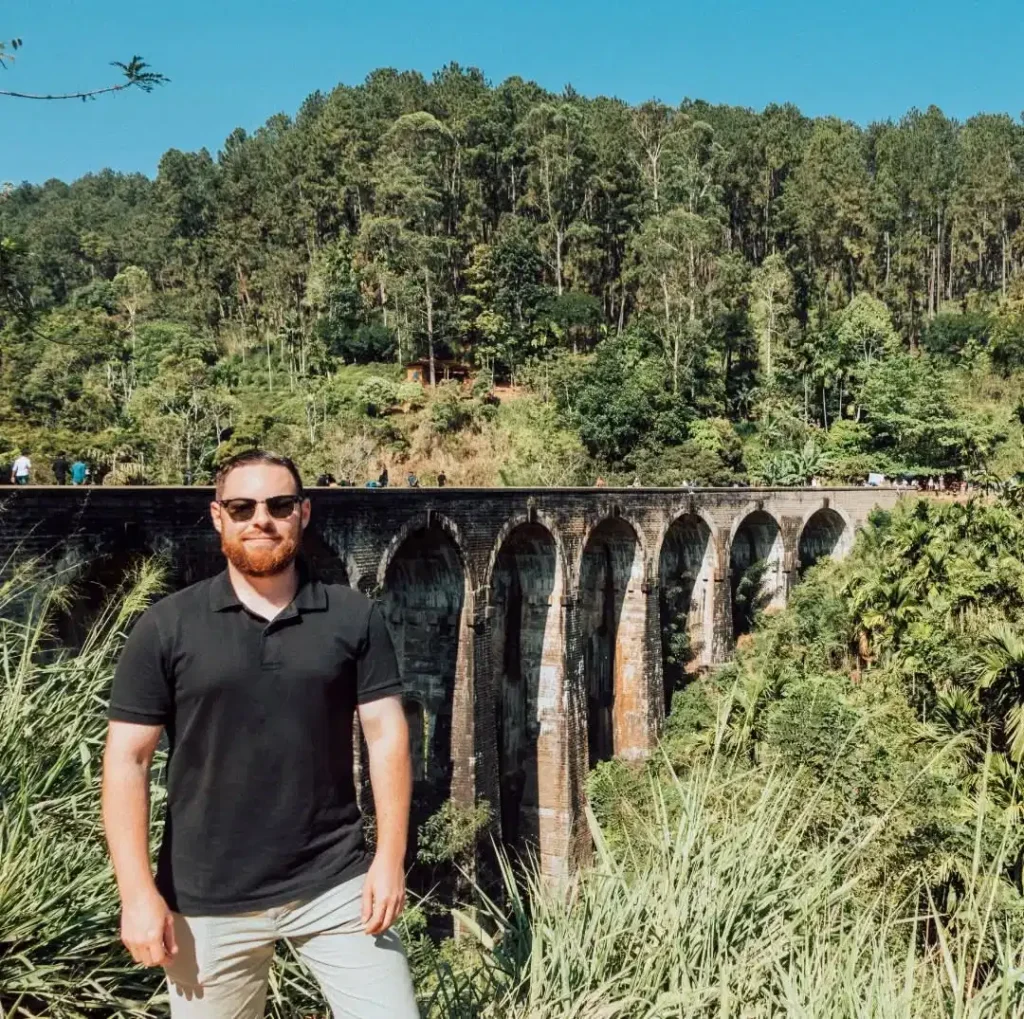
Why Travel Photography Matters: Beyond the Snapshot
Connecting with the World Through Your Lens
Travel photography is more than just taking pictures. It helps you connect more with the world around you. When you travel to take photos, you slow down. You notice how light changes on a street, the looks on people’s faces, and small daily habits you might not see otherwise. The camera gives you a reason to watch closely, not just to take pictures.
Looking for special photos changes how you see a place. Instead of hurrying from one famous spot to another, you start to ask different questions: What makes this place feel special? What is happening here right now? This way of thinking helps you travel with more care. You spend more time, walk further, and pay more attention to people. Whether you are in a busy city or a quiet village, photography helps you notice things that most people miss.
Many photographers find that their best photos happen when they do not plan them. Standing in one place, returning to the same street at different times, or just watching people live their lives often leads to a better understanding and better photos. Over time, taking pictures becomes less about the camera and more about being curious, patient, and making connections.
Preserving Memories & Stories: Creating a Personal Legacy
Real travel photos evoke strong feelings. Years later, they do more than remind you where you went; they help you remember how you felt. The noise of a busy market, the peace of an early morning, or the happiness of a shared smile can all be captured in one photo. These pictures become personal reminders of your experiences.
When you go beyond just recording what you see, your photos start to show what a place really feels like. This could mean taking pictures of daily life rather than just famous sights, or choosing real moments that are imperfect rather than photos that are perfect but lack feeling. A photo that is a little blurry but full of emotion often tells a better story than a perfect photo with no meaning.
Most travelers do not love photos because they are perfect; they love them because they feel real. Telling a story, showing feelings, and being honest are more important than perfect lighting or fancy equipment. When you focus on real moments and true stories, your travel photos become something that lasts. They show not just where you went, but how much you experienced.
What Is Travel Photography (Really)? An Art of Storytelling
Defining the Genre: More Than Just “Taking Photos While Traveling”
Travel photography is often seen as just taking pictures in a new place. In truth, it is a way of telling stories with pictures, based on really experiencing the culture, your own point of view, and a clear purpose. A real travel photo does not just show where you went, it shares what it felt like to be there.
The difference between a tourist snapshot and a travel photograph is in the purpose. A snapshot is taken quickly: a landmark, a selfie, or a common view. A travel photograph is more thoughtful. It shows time spent watching, learning about the place, and picking a view that tells a story. It might show people, small details, or daily life that says something important about the place.
Real storytelling happens beyond the usual postcard picture. Anyone can take a photo of a famous monument, but not everyone shows what is happening around it, the street vendor close by, the way the light changes, or the people who make the place special. Getting good at travel photography means looking for what feels real, not just what looks good. That is how your own style starts to show.
Key Principles of Authentic Travel Photography
1) Observation: Seeing the Unseen
Good travel photography begins with careful looking. Instead of focusing only on the obvious scenes, look for patterns, actions, and moments that most people miss. Amazing things often hide in everyday places, a quiet doorway, people laughing together, or a small difference between old and new. Learning to spot these details changes how you see and take pictures.
2) Patience: Waiting for the Right Moment
Great photos almost never happen right away. Patience lets you wait for the best light, the right movement, or the perfect look on someone’s face. This could mean standing in one spot for a while or coming back to the same place at different times. The result is a photo that feels real and planned, not rushed or fake.
3) Respect: Photographing with Sensitivity
Respect is a key part of real travel photography. Every place has its own ways of doing things, and every person deserves respect. Being kind to people, asking before taking their photo when needed, and learning about local ways of doing things help build trust and often lead to better photos. Making good choices does not limit your creativity; it makes your stories stronger and your photos more meaningful, not unfair.
When these principles come together, travel photography becomes more than images; it becomes a way to tell honest, human stories from around the world.
Essential Gear for Every Traveler: Equip Your Journey Smartly
Finding Your Perfect Travel Companion
One of the biggest frustrations in travel photography is not about skill, but about being confused by all the gear choices. With so many cameras to pick from, it’s easy to pack too much, spend too much, or bring gear that feels wrong as soon as you’re in an airport or a busy street. The goal isn’t to have more gear; it’s to bring the right tool for how you travel.
When picking a travel camera, consider how easy it is to carry, how good the pictures look, how many features it offers, and how much it costs. A camera that stays in your bag because it’s too heavy or complicated is much worse than a simpler one you’ll actually use.
Below is a simple guide to the most common camera types travelers use today, with real examples and current prices to help you choose easily.
Camera Types Compared (with Real-World Examples)
| Camera Type | Pros for Travel | Cons for Travel | Popular Travel-Friendly Models | Approx. Price Range | Best For |
| DSLR | Excellent image quality, long battery life, huge lens ecosystem, durable | Bulky, heavy, draws attention, slower live view autofocus | Canon EOS 90D, Nikon D7500 | $700–$1,200 (body) | Professionals or enthusiasts who prioritize image quality and don’t mind weight |
| Mirrorless | High image quality, compact bodies, fast autofocus, silent shooting | Shorter battery life, some lenses expensive | Fujifilm X-T5, Sony A6400, Sony A7C, Canon EOS R8 | $800–$1,800 (body) | Serious hobbyists, digital nomads, travelers balancing quality + portability |
| Smartphone | Ultra-portable, always with you, discreet, great computational photography | Limited optical zoom, smaller sensor, less manual control | iPhone 15 Pro, Google Pixel 8 Pro, Samsung Galaxy S24 Ultra | $700–$1,200 | Casual travelers, minimalists, quick storytelling & social sharing |
🔑Key Takeaway: If you feel overwhelmed, mirrorless cameras are the best choice for travel right now. They give you great photos without being as big and heavy as a DSLR. Smartphones are also much better than most people think and can take great photos for telling stories if you use them on purpose.
Key Lenses for Travel: Versatility vs. Specialization
One of the most common travel photography regrets is bringing too many lenses. Changing lenses in dusty streets or crowded markets quickly becomes annoying and risky.
The Smart Travel Lens Strategy
Versatile Zoom (Your Travel Workhorse)
- A 24–70mm equivalent zoom (or 18–55mm on APS-C) covers wide scenes, street moments, and portraits.
- Ideal for fast-paced travel where moments happen quickly.
- You won’t have to change lenses as much, and it’s less tiring for your mind.
Why one zoom beats multiple primes while traveling:
- Less weight
- Faster shooting
- Fewer missed moments
- Less attention is drawn to your gear.
Prime Lenses (When to Use Them)
- 35mm or 50mm prime lenses are great for low-light photography and for portraits that show people in their surroundings.
- These are perfect if you like your photos to have a similar style and if you prefer to take your time when shooting.
Specialized Lenses (Use Sparingly)
- Wide-angle (16–20mm equivalent): Landscapes, architecture, tight interiors
- Telephoto (70–200mm equivalent): Wildlife, distant details, compressed city scenes
💡Rule of thumb: If you’re carrying more than two lenses, you’re probably carrying one too many.
Must-Have Accessories: Supporting Your Photography Journey
Accessories shouldn’t make your bag heavy, but the right ones can save your whole photo session.
Travel-Friendly Essentials
Lightweight Tripods
- Compact tripods are invaluable for night shots, self-portraits, and video.
- Popular travel-friendly choices include small carbon-fiber tripods and bendable mini tripods.
Always Pack These:
- 1–2 extra batteries (mirrorless cameras drain faster)
- Multiple memory cards (never rely on just one)
- Basic cleaning kit (dust and fingerprints are inevitable)
- Comfortable, simple camera bag (avoid bags that look too much like camera bags)
💡Expert Tip: Pick one lens that can do many things and one small camera. This setup helps you move easily, feel less stressed, and focus on taking good photos instead of worrying about your gear.
Gear Regret Analysis: Learn From Common Travel Mistakes
Many travelers realize too late that they packed for what could happen rather than for what actually happens.
Common Gear Regrets:
- Bringing a heavy telephoto “just in case.”
- Carrying multiple primes but using only one
- Packing a large tripod that never leaves the hotel
- Overestimating how often lenses will be swapped
Smarter Alternatives:
- One high-quality zoom instead of three lenses
- A compact travel tripod instead of a full-size one
- A smaller camera that encourages daily use
The best travel photography gear is the gear that lets you move freely, stay present, and respond naturally to unfolding moments. When your setup feels simple, your creativity expands, and that’s when stronger stories begin.
Mastering the Fundamentals: Light, Composition & Exposure
Great travel photography isn’t about faraway places or fancy equipment. It’s about learning a few basics and using them in all kinds of situations. Light, composition, and exposure are what turn everyday scenes into interesting stories.
Understanding Light: The Photographer’s Best Friend
Light shapes mood, texture, and emotion. Learn to read it well, and even simple scenes become powerful.
Embrace the Golden Hour
Early morning and late afternoon give you soft light that looks good on landscapes, buildings, and people. Colors look deeper, shadows are softer, and scenes look more like a movie than harsh daylight.
💡Practical habit: Plan at least one shoot around sunrise or sunset each day of your trip. Even familiar locations look entirely different when the light changes.
Working with Harsh Midday Sun
Midday light is often avoided, but it doesn’t have to ruin your shots.
What to do instead of fighting it:
- Move into shade to soften contrast.
- Use shadows creatively for graphic compositions.
- Look for reflective surfaces (walls, sand, water) that naturally bounce light.
High-contrast light can actually add drama when used intentionally.
Blue Hour & Night Photography
Blue hour, the short time just after sunset or before sunrise, offers deep blue hues, bright city lights, and a calm atmosphere that is ideal for telling stories with your photos.
Challenges:
- Low light
- Camera shake
- Noise
Solutions:
- Use a tripod or a stable surface.
- Slow down the shutter instead of making the camera more sensitive to light.
- Embrace still scenes rather than fast action.
Night photography rewards patience and planning more than speed.
Composition Techniques: Guiding the Viewer’s Eye
Composition is how you guide where people look in your photo and how long they look.
Rule of Thirds (The Starting Point)
Putting your subject off to the side makes your photo look more balanced and interesting. You don’t have to do this every time, but it’s a good starting point when you need to work fast.
Use Leading Lines and Framing
Roads, rivers, railings, doorways, and windows help lead the viewer’s eye through the picture and make it feel deeper.
💡Expert mindset: Before pressing the shutter, ask: What path does the eye follow in this image?
Symmetry and Patterns
Travel places are full of repeating shapes and patterns, like in markets, staircases, buildings, and streets. Symmetry makes things look neat, but adding a person to break the pattern can make the photo more interesting.
Negative Space
Sometimes, having less in your photo is better. Leaving space around your subject helps show emotion and makes the picture feel more open. This works especially well in landscapes and simple street scenes.
The Exposure Triangle in Travel: Aperture, Shutter Speed & ISO
Knowing how to control exposure helps you adjust quickly when the light changes, so you don’t have to worry.
Aperture: Depth & Mood
- Wide aperture (f/1.8–f/2.8): Blurry backgrounds, good for portraits and low light
- Narrow aperture (f/8–f/11): Sharp details in landscapes and city views
Use aperture to decide what matters most in your frame.
Shutter Speed: Motion Control
- Fast shutter: Stop movement (street scenes, people walking, animals)
- Slow shutter: Show movement (car lights, moving water, crowds)
Blurry movement can make your photo more interesting when stopping action looks boring.
ISO: Sensitivity vs. Quality
Only make your camera more sensitive to light when you really need to. New cameras handle grainy pictures better, but it’s still best to change the aperture or shutter speed first if you can.
Practical Travel Scenarios
Street Photography:
- Aperture: f/5.6
- Shutter speed: 1/250 or faster
- ISO: Auto (with a reasonable upper limit)
Landscapes:
- Aperture: f/8–f/11
- Shutter speed: Tripod-supported if needed
- ISO: Lowest possible
Low-Light Interiors (markets, cafes, temples):
- Aperture: Wide (f/1.8–f/2.8)
- Shutter speed: As slow as you can hold the camera steady
- ISO: Increase carefully
Learning the basics doesn’t mean just memorizing rules. It means knowing why they matter and changing them on purpose. When light, composition, and exposure work together, your travel photos become stories you want to revisit.
The Art of Storytelling: Crafting Narratives Beyond the Single Shot
Great travel photography is not about getting one perfect photo. It is made up of stories, connected by purpose, background, and feeling. When you stop focusing on single highlights and start building stories, your photos become more memorable and meaningful.
Identifying Compelling Subjects: Finding Your Narrative Focus
Landmarks are easy. Stories are harder and far more rewarding.
Look Beyond the Obvious
Instead of making your photos all about famous places, focus on people, daily life, food, traditions, and small details. These things show what a place is really like. A morning coffee routine, a shopkeeper opening their store, or hands making food often tell you more about a place than a picture of its skyline.
Don’t Forget the Details
Wide photos show where you are, but details give the place personality. Things like textures, signs, old tools, local crafts, street food, fabrics, and small actions help make your story feel real. These photos are like quiet pauses that add depth to your story instead of trying to stand out.
The Power of Candid Moments
Candid photos feel real because they are natural. When people forget the camera is on, their expressions are genuine. This takes patience and watching, not interrupting. Stay in one spot, fit in, and let moments happen instead of running after them.
Building a Visual Narrative: Sequence and Context
A strong story unfolds over multiple frames. Think like a filmmaker, not a tourist.
Tell a Story with a Series
Instead of trying to get just one great photo, take a series that captures a moment or experience. A short set of five to ten pictures is often enough to tell a strong little story.
A Simple Visual Storytelling Blueprint
Use this plan to help your story make sense:
- Establishing Shot
Set the scene. Show where we are. This could be a wide street view, a landscape, or an exterior. - Medium Shots
Introduce action and interaction. People at work, conversations, movement, or daily routines. - Close-Ups & Details
Show feeling and detail. Photos of hands, faces, tools, food, and expressions make the story feel close and personal. - Closing Image
Finish with a calm moment, a thoughtful scene, or something that gives a sense of ending. This should leave the viewer with a feeling.
This structure works whether you’re documenting a local market, a train journey, or a single afternoon in a neighborhood.
💡Real-World Insight: Planning a photo story does not mean you have to control every moment. It means knowing what story you want to tell and being open to what happens. Some of the best travel stories come from staying in one place for hours and letting daily life guide your photos.
The Art of Anticipation: Capturing Fleeting Moments
Great travel photographs often happen just before everyone else reacts.
Learn to Anticipate
You learn to anticipate by watching closely. Notice how people move, interact, and do things in the same way over and over. Street vendors help customers in regular ways. Children play in repeating ways. Animals have habits. When you see these patterns, you can get in the right spot and wait.
Understanding Cultural Cues
Knowing about local culture helps you guess what will happen in a respectful way. The way people move, act, and interact varies from place to place. The more you watch without taking photos, the better you get at knowing when something important is about to happen and when you should put the camera down.
Why Anticipation Beats Reaction
If you only react, you are always too late. If you anticipate, you are ready. This way, you get real expressions, genuine actions, and photos that feel alive rather than fake.
Travel storytelling is not about taking lots of photos. It is about having a purpose. By picking important subjects, making photo stories, and learning to expect special moments, your photos change from single pictures to stories that really show what a place is like.
Common Travel Photography Problems & How to Solve Them
Even experienced travelers face the same photography problems over and over. Crowds, bad weather, self-doubt, and boring scenes can make even the most beautiful place feel impossible to photograph. The good news? Each problem has a simple fix, and it usually depends more on your attitude than your equipment.
Overcoming Crowded Scenes: Finding Your Unique Angle
The problem:
You arrive at an iconic location, only to find it packed with people. Every angle feels cluttered, and your photos look chaotic or generic.
Why it hurts:
Crowds make it harder to frame your photo and distract from your main subject, leaving your pictures messy and uninteresting.
Practical solutions:
- Go early or stay late: Sunrise is your secret weapon. Fewer people, better light, and calmer energy.
- Change your viewpoint: Take photos from low down, through doorways, or behind things in front to hide distractions.
- Focus on details: Instead of fighting the crowd, isolate textures, architecture, signage, or interactions happening within it.
- Try longer exposures: With a tripod and a slower camera setting, moving people will blur or vanish, leaving you with clear, moody photos.
Crowds don’t have to ruin your shot; they can become part of the story if handled intentionally.
Tackling Bad Weather: Embracing the Mood and Protecting Your Gear
The problem:
Cloudy skies, rain, fog, or strong sunlight can change the light in ways that are hard to control and can be annoying.
Why it hurts:
You planned for perfect conditions, but now your images don’t match the vision you had in mind.
Practical solutions:
- Work with the mood: Rain gives you reflections, fog makes things look mysterious, and strong sun creates bold shadows.
- Keep your photos simple: Bad weather often looks best with simple scenes and clear main subjects.
- Protect your camera: Use rain covers, soft cloths, and weatherproof equipment if you can. Even a plastic bag can save your photos.
Weather does not ruin your photos; it just changes them. If you adjust, your pictures will have a mood that others might miss.
Conquering Shyness: Approaching Subjects with Confidence
The problem:
You hesitate to photograph people, worried about rejection or being disrespectful.
Why it hurts: Photos of people are often the most important part of travel stories, and skipping them can make your work feel empty.
Practical solutions:
- Start with eye contact and a smile: It instantly disarms tension.
- Learn a few local phrases: Even a simple greeting builds trust.
- Show real interest: Ask what they are doing before you take a photo.
- Accept “no” gracefully: Respect builds reputation and often leads to future opportunities.
You get more confident with practice. The more politely you interact, the easier it gets.
Finding Inspiration in the Mundane: The Art of Observation
The problem:
You find it hard to show what makes a place special after you have taken photos of the main sights.
Why it hurts:
Your photos start to look the same, and the place feels like every other trip.
Practical solutions:
- Look for patterns, surfaces, daily habits, and changes in everyday life.
- Observe how locals interact with their environment, how they work, rest, and move.
- Challenge yourself: use just one street, one camera lens, or one hour.
Often, what makes a place special shows up in small, quiet moments, not big sights.
Behind the Lens: A Personal Failure & What It Taught Me
On one trip, I carefully planned a sunrise photo at an important location. I got there early, set up my shot, and waited for the light, only to realize I had left my memory cards in my hotel room. The moment passed, the light changed, and I missed my chance.
I was very frustrated, not because I missed the photo, but because it could have been avoided.
Lessons learned:
- Always keep spare cards and batteries in your bag.
- Build a pre-shoot checklist, even for short outings.
- Slow down. Rushing causes oversights.
That mistake changed how I get ready and take photos. Since then, I have missed far fewer moments, not because I got better, but because I became more careful.
Every travel photographer faces these problems. What makes good storytellers different from frustrated photographers is not luck, but the ability to adjust, pay attention, and learn from mistakes. Fix the problems, and your photography will improve with every trip.
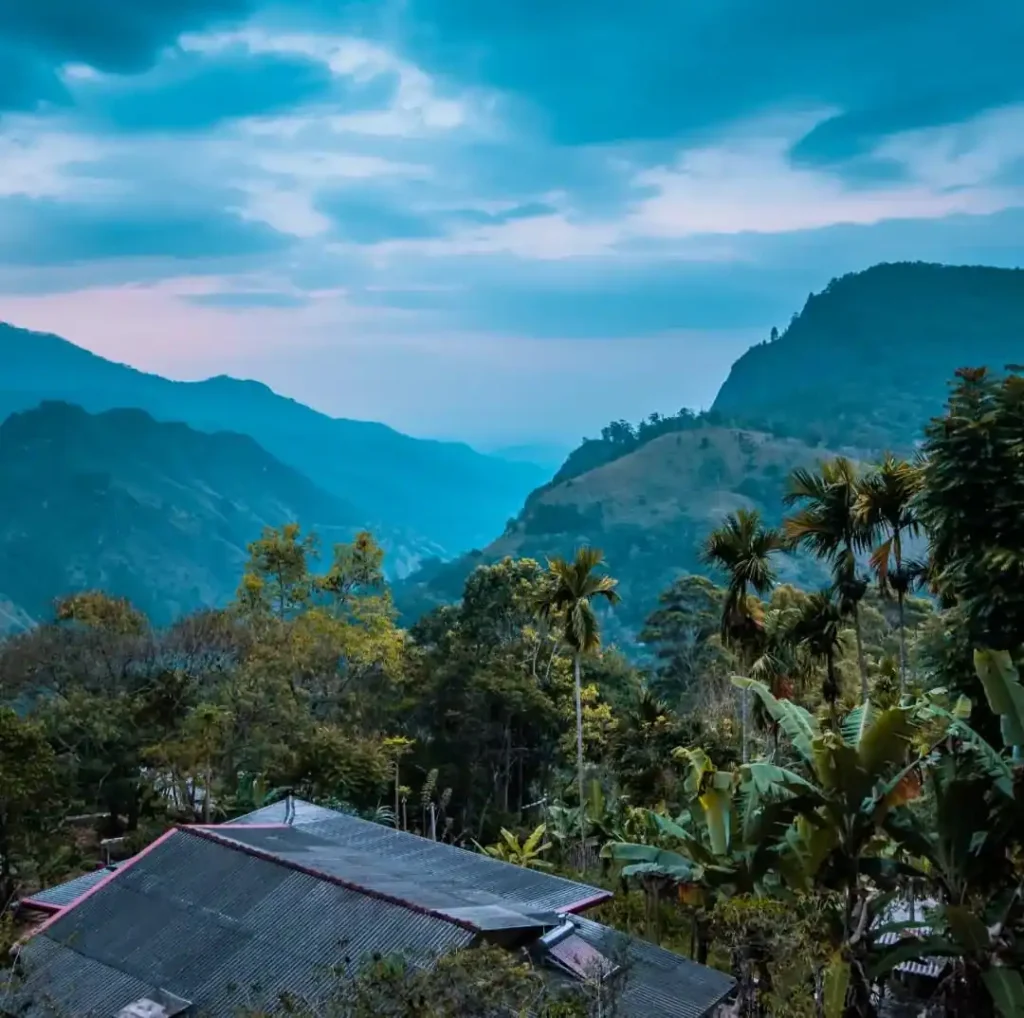
Conclusion: Your Journey as a Travel Photographer
Bringing It All Together
Travel photography is not about chasing perfect pictures. It is about telling real stories. The main idea in this guide is that good photos come from being thoughtful, aware, and respectful. When you focus on telling stories instead of just taking quick photos, treat people and cultures kindly, and learn how to use light, frame your shots, and set your camera, your photos will have more meaning.
Getting ready is just as important as being creative. Picking the right equipment for your trips, packing only what you need, planning for the best light, and keeping your photos safe with a simple routine all make things easier. When these choices feel easy, you can focus on the moment, and that is when you capture your best stories.
Keep Growing, Keep Exploring
Your journey as a travel photographer does not end with one trip or one article. You grow by trying new things, reflecting on what you’ve learned, and practicing regularly. Try different ways of taking photos, visit old places and see them in new ways, and let your style change over time. With experience, your own way of taking photos will show not by copying others, but by learning as you go.
Every mistake, missed photo, or uncomfortable moment teaches you something important. Learn from these moments. Wanting to learn, change, and take photos on purpose is what makes you more than just someone who takes pictures. It makes you a real storyteller with your camera.
Photography changes how you see the world. You notice more, connect with people and places more, and remember things more clearly. This is the true reward of taking photos, and it is why the journey is always worth it.
🎯Now, go forth and capture the world, one authentic story at a time. Share the moments you have saved, the problems you have faced, and the stories that meant the most to you. What you have learned might help the next traveler see the world in a new way.