

Introduction:
Imagine standing at the edge of a beautiful view as the evening sun lights up the land, or moving through the busy energy of a crowded market where every face has a story. Your phone can’t capture the moment well, and your old DSLR feels heavy in your backpack. You want sharp, clear photos and the ability to be creative without carrying something bulky or dealing with too much trouble, but there are so many cameras to choose from, and it’s easy to worry about picking the wrong one.
This guide makes things simple. I’ll show you the best mirrorless cameras for travel, the ones that give you great photos, are easy to carry, tough, and simple to use, so you can enjoy your trip, not worry about your camera. After years of traveling and trying out cameras in all kinds of places, from dry deserts to wet jungles, I’m sharing real advice you can trust, not just technical details.
By the end, you’ll know exactly which light, powerful camera fits how you like to take pictures and where you want to go. Keep reading, find the right one for you, and enjoy taking great travel photos, because your next amazing trip should be one you remember well.
Why Mirrorless Cameras are a Game-Changer for Travel Photographers
The Evolution: Mirrorless vs. DSLR vs. Smartphone
Before we dive deeper, a quick note on why you can trust this guide. I’m writing as a travel photographer and camera specialist who has spent years shooting on the road, testing cameras across continents in real-world conditions rather than controlled studio settings. From dusty deserts and coastal humidity to crowded city streets and remote mountain trails, every recommendation here is informed by hands-on use, long days of shooting, and the realities travelers actually face. That experience shapes the advice you’re about to read.
Why Mirrorless Beats DSLRs for Travel
🔑For years, DSLRs ruled travel photography, but times have changed.
Portability & weight are the most obvious wins. Mirrorless cameras and their lenses are significantly smaller and lighter, which matters when you’re walking all day, hopping between cities, or trying to keep carry-on weight under control.
They also have helpful features that make taking photos on the go easier. Electronic viewfinders show you how bright or colorful your photo will be before you take it. Autofocus is quicker and better at finding faces, eyes, and moving objects. Fast shooting lets you capture quick travel moments.
Quiet operation is another underrated advantage. Silent or near-silent shutters are perfect for street photography, cultural sites, or wildlife, where discretion matters.
Finally, mirrorless cameras get the latest technology. Companies put their newest features, like smart autofocus, better image stabilization, and software updates, into mirrorless cameras, not DSLRs.
Beyond the Phone: Why a Camera Still Matters
🔑Smartphones are incredible travel tools, but they have limits.
Mirrorless cameras produce better photos because they have much larger sensors. You’ll notice this right away in dark places, in how well they handle bright and dark areas, and in the small details, especially at sunrise, sunset, or indoors.
With optical zoom and different lens options, you don’t have to move closer or farther away to get the shot you want. You can change lenses for wide landscapes, faraway animals, or soft, blurry backgrounds in portraits.
They also let you control every setting, so you can adjust the light in creative ways using things like how wide the lens opens, how long the camera takes a photo, and how sensitive it is to light, something phone cameras can’t really match.
And when the weather is bad, or things get rough, comfort and toughness are important. A good grip, real buttons, and protection against rain and dust make mirrorless cameras much more dependable in all kinds of conditions.
The Travel Sweet Spot
Mirrorless cameras are the perfect mix of easy to use and powerful. They give you top-quality photos, the newest features, and lots of creative options without being as heavy as a DSLR or as limited as a phone. For travelers who want to capture better, more interesting stories with their photos, this balance is why mirrorless is now the top choice.
Prioritizing Portability & Weight: Your Backpack’s Best Friend
When you’re traveling, every ounce matters. After long walking days, airport sprints, and overhead-bin negotiations, the camera you want to carry is the one that actually makes it out of your bag.
💡Expert tip: Choose a small camera with one or two zoom lenses that work for many situations. If you travel to places with tough weather, weather sealing is not just nice to have; it protects your camera.
Understanding body size vs. performance: Smaller does not always mean less powerful. New mirrorless cameras feature powerful sensors, fast processors, and smart autofocus in compact bodies. Many APS-C and Micro Four Thirds cameras match the everyday photo quality of older full-frame DSLRs.
The role of lens size: Always consider the total weight of your gear, not just the camera. A light camera with a huge lens is still heavy. Zoom lenses that cover a wide range (like 16–50mm or 18–135mm) keep your setup easy to carry and useful for many situations.
Sensor Size & Image Quality: The Heart of Your Camera
Your sensor determines how much light your camera captures and how your images feel.
- Full-Frame (FF):
Gives you the best photo quality, great detail in bright and dark areas, and works well in low light. The downsides are that it is bigger, heavier, and more expensive. - APS-C (Crop Sensor):
A great choice for most travelers. It gives you very good photo quality, smaller cameras and lenses, and is more affordable. That is why APS-C is so popular for travel photos. - Micro Four Thirds (M4/3):
The smallest and lightest system. Great image stabilization and is easy to carry, making it perfect for long trips and everyday travel.
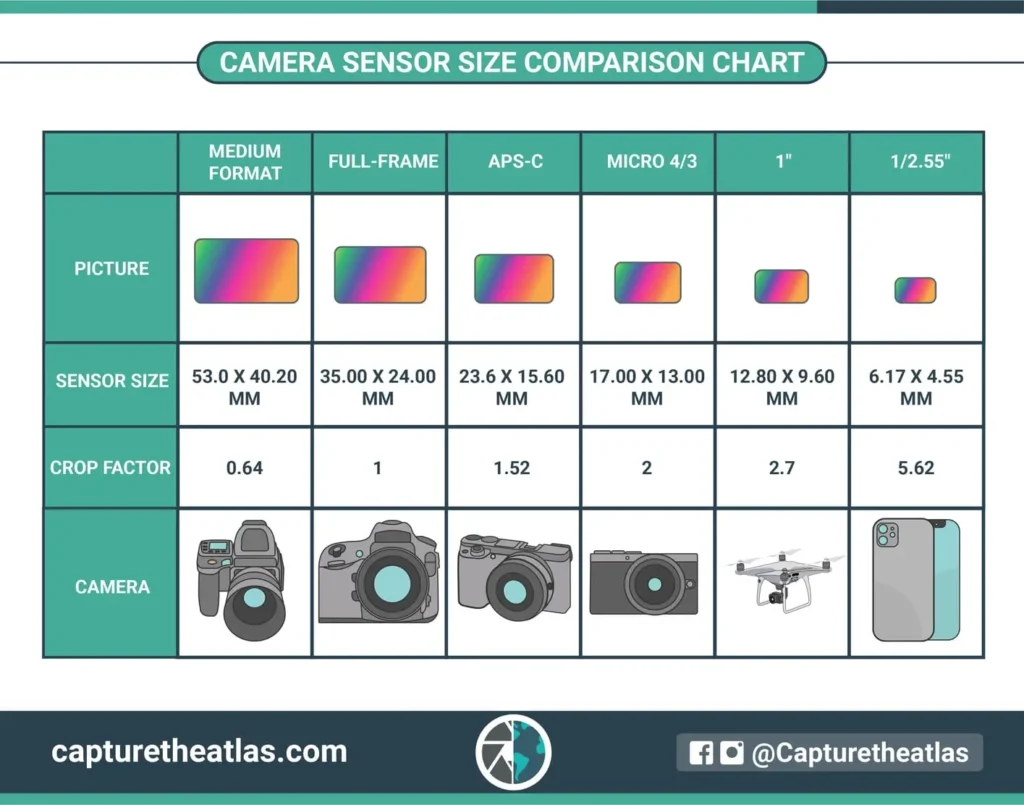
🎯What this means for travel: During the day, the differences are small. At night or inside, bigger sensors do better, but good stabilization and bright lenses can help smaller cameras catch up.
In-Body Image Stabilization (IBIS): A Traveler’s Must-Have
IBIS keeps the sensor steady, which helps reduce blur from shaky hands.
Why it matters:
- Sharper handheld photos in low light
- Smoother telephoto shots
- More stable video without a gimbal
When you use it with lens stabilization, the two systems together make your photos much steadier. This can be the difference between getting a good photo and missing the moment.
Low-Light Performance: Capturing the Magic After Dark
Some of the best travel photos happen after sunset.
- Sensor size: Bigger sensors work better in low light, but newer APS-C cameras also perform well.
- Fast lenses: Lenses that let in more light (like f/1.8–f/2.8) help you take brighter photos and make the background look soft and blurry.
- IBIS advantage: It lets you use slower shutter speeds without a tripod, which is great for night photos.
The result? Natural-looking night photos without harsh flash or heavy noise.
Autofocus Speed & Accuracy: Never Miss a Moment
💡Expert tip: Learn your camera’s autofocus system. Mastering Eye AF and tracking modes dramatically improves your hit rate, especially in unpredictable travel situations.
Key features to look for:
- Subject tracking: Essential for street scenes, wildlife, and kids.
- Eye/Face Detection AF: Perfect for quick portraits.
- Low-light AF: Critical for evening markets and indoor scenes.
Quick, smart autofocus helps you capture clear photos of sudden moments.
Battery Life: Powering Through Long Travel Days
Mirrorless cameras use more battery because their electronic viewfinders and screens are always on.
💡Expert tip: Always carry at least two spare batteries. Turn off Wi-Fi and Bluetooth when not needed, and use power-saving modes, especially in cold climates.
Look for cameras with:
- USB charging: Charge from power banks, cars, or airports.
- Efficient power use: Software updates can often improve it.
Weather Sealing & Durability: Surviving the Elements
Travel isn’t gentle on gear.
- Dust & moisture protection: Essential for beaches, jungles, and deserts.
- Build quality: Metal cameras are tougher than plastic ones.
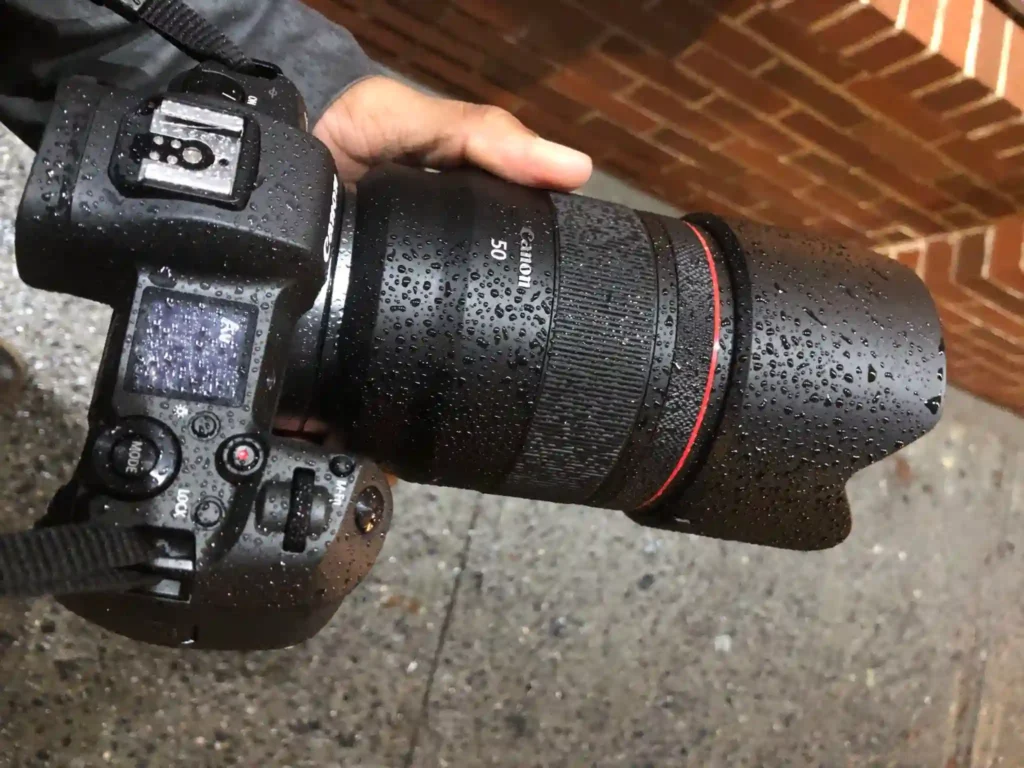
Good weather sealing lets you keep taking photos even when the weather gets bad, without worrying too much about your camera.
Video Capabilities: Capturing Dynamic Travel Memories
💡Expert tip: Don’t ignore video. Modern mirrorless cameras are outstanding hybrid tools.
- 4K is plenty for most travelers; 6K/8K is overkill unless you heavily crop.
- Slow motion adds cinematic flair.
- Log profiles give you more options to adjust colors in your videos.
- External mic inputs drastically improve audio for vlogs or interviews.
Even basic video skills can elevate your travel storytelling.
Lens Ecosystem: Versatility & Future-Proofing
A camera is only as good as the lenses behind it.
- Native lenses: Best autofocus and performance.
- Third-party options: More choice and better value.
- Adapters: Helpful if you already have DSLR lenses, but they can have downsides.
Choose a system with room to grow as your photography evolves.
Ergonomics & User Interface: Comfort Matters
You’ll feel this after long shooting days.
- Grip & button layout: Secure handling reduces fatigue.
- Articulating touchscreens: Great for low angles, crowds, and video.
- Menu systems: Easy-to-use menus help you work faster when things are happening quickly.
A camera that feels natural in your hands lets you focus on the journey, not the settings.
The best travel mirrorless camera is not just about features. It is about finding the right mix of performance, size, toughness, and ease of use, so your camera helps your adventure instead of getting in the way.
The “Traveler’s Dilemma” Solver: Find Your Perfect Camera
Choosing a travel camera is not about focusing on technical details. It is about quickly ruling out the cameras that are not right for you. After years of trying out different mirrorless cameras on long trips, I have noticed that travelers have the hardest time because they start by looking at brands instead of thinking about what they really need. The Traveler’s Dilemma Solver helps with this.
This section is set up as a simple guide that shows how experienced photographers really pick their gear. They make choices based on budget, how they like to take pictures, where they are traveling, and what matters most to them.
Traveler’s Dilemma Solver (Camera Flowchart)
Tap a step, follow your path, and you’ll land on the best camera category for your travel style.
Step 1 Budget Tap to expand
Under $1,000
Primary use: Video / Vlogging
Primary use: Hybrid (photo + video)
Primary use: Adventure / outdoor durability
$1,000 – $2,000
Primary use: Hybrid (photo + video equally)
Pick your priority:
Portability + fast autofocus
Low-light + best image quality
Weather sealing + adventure travel
Primary use: Mostly video / vlogging
Over $2,000
Primary use: Highest image quality + low light
Primary use: Serious hybrid travel (photo + video)
If you want smaller lenses + rugged bodies, also check Micro Four Thirds.
Also see: Micro Four Thirds adventure bodyPrimary use: Pro vlogging / creator kit
Result: APS-C Hybrid (best balance for travel)
Best if you want strong photo + video without big weight or huge lenses.
- Sony a6700 compact hybrid + strong autofocus
- Fujifilm X-T5 excellent travel photo body, weather sealing
- Nikon Z50II great value APS-C option
Beginner lens tip: start with a standard zoom kit lens, then add a small prime later.
Result: Compact Full-Frame (best low-light + “pro look”)
Best if you prioritize night shots, cleaner low-light, and full-frame depth-of-field.
- Sony a7C II small full-frame, great travel choice
- Nikon Z5II strong value full-frame entry
- Canon EOS R8 lightweight full-frame option
Beginner tip: keep your first lens small (28–60 or 24–50 style) to stay “travel-friendly.”
Result: Micro Four Thirds Adventure Body (rugged + light lenses)
Best if you hike, travel rough, need weather sealing, and want smaller telephoto lenses.
- OM System OM-5 compact, stabilized, outdoor-friendly
- Panasonic Lumix G9 II powerful M43 for action/wildlife
- OM System OM-1 II higher-end rugged option
Beginner tip: M43 shines when you want reach (wildlife) without heavy lenses.
Result: Vlogger-Focused System (fast setup + creator features)
Best if you film yourself, need flip screen, good autofocus, and simple workflow.
- Sony ZV-E1 premium low-light vlogging beast
- Nikon Z30 beginner-friendly, great value
- Sony ZV-E10 popular creator starter
Beginner tip: upgrade audio first (a small mic) before upgrading the camera body.
Beyond the Camera: Essential Travel Photography Accessories
A great travel camera is only part of what you need. When you are traveling, the right accessories help you keep taking photos even when things get tough. After years of travel photography, including missed flights, long hikes, power outages, and sudden rainstorms, these are the accessories I never go without.
Power & Storage: Never Run Out of Juice or Space
Running out of battery or storage is one of the fastest ways to miss once-in-a-lifetime moments.
💡Expert Tip: Always travel with at least two spare batteries. Mirrorless cameras are efficient, but long days, cold weather, and video drain power quickly.
- Extra batteries:
Carry 2–3 fully charged spares, especially for full-day excursions or remote areas. - High-speed memory cards:
Use several 64GB to 128GB cards that are fast enough for your camera. Having more than one card means that if one stops working, you do not lose all your photos. - Portable power bank:
Very important for cameras that can charge via USB, and also great for phones, GPS, and sending photos wirelessly.
Protection & Transport: Keeping Your Gear Safe
Travel photography exposes gear to dust, moisture, crowds, and constant movement.
- Weather-sealed camera bag or backpack:
Choose a bag that is comfortable, keeps your gear safe, and protects against bad weather. If you do not like wearing your bag, it will slow you down. - Rain cover:
Lightweight and inexpensive, yet incredibly effective during sudden downpours. - Lens filters:
- UV filter: Physical protection for your front element
- CPL (circular polarizer): Reduces reflections, makes the sky look richer, and makes water and plants look better
- ND filter: Lets you take long-exposure photos of waterfalls, clouds, and videos in bright sunlight
These small accessories often save far more money than they cost.
Stability & Cleaning: For Pristine Shots
Sharp images and clean lenses matter more on the road than in controlled environments.
💡Expert Tip: A lightweight travel tripod is very useful for low-light photos, long-exposure shots, night city views, and self-portraits, and it adds little weight to your bag.
- Compact travel tripod:
Choose a tripod that is steady, even if it is not very tall. Carbon fiber is best if you can afford it. - Lens cleaning essentials:
Dust, salt spray, and fingerprints are unavoidable. - Microfiber cloth & blower:
Small, light, and absolutely essential. - Basic cleaning kit:
A blower brush, cleaning liquid, and extra microfiber cloths help you keep your lenses clean every day.
Backup & Workflow: Protecting Your Precious Memories
Gear can be replaced. Your photos cannot.
💡Expert Tip: Always assume a card, camera, or bag could fail or disappear. Build redundancy into your workflow.
- Portable SSD or external hard drive:
Fast, dependable, and tough SSDs are great for backing up your photos every day. - Card reader:
Quicker and more dependable than moving photos straight from your camera to your laptop. - Laptop or tablet:
Helpful for reviewing your photos, making simple changes, and confirming that your backups worked. - Cloud backups (when possible):
An extra way to keep your photos safe is if you have internet access.
🔑A simple rule I follow: if the photos exist in only one place, they’re not safe yet.
Accessories do not make your photos better, but they help you take great photos when you are really traveling. With the right gear, you spend less time worrying about batteries, weather, or storage and more time doing what you came to do: telling amazing stories with your pictures.
Addressing Your Concerns: FAQs About Mirrorless Cameras for Travel
Below are the most common, real-world questions travelers ask before switching to or investing in a mirrorless camera, answered from the perspective of practical travel use, not marketing promises.
Are mirrorless cameras truly durable enough for rugged travel?
Yes, many modern mirrorless cameras are definitely made for travel. Mid-range and higher-end models often feature strong metal bodies, weather protection, and sturdy lens mounts like DSLRs. The main thing is to pick a camera made for outdoor use, not just for everyday photos. If your trips include dust, humidity, light rain, or changing temperatures, look for cameras and lenses that are weather-sealed.
How much does a good travel mirrorless setup cost?
A realistic breakdown looks like this:
- Entry-level travel kits: ~$700–$1,000
Great for beginners and smartphone upgraders. - Enthusiast setups: ~$1,500–$3,000
The best choice for most travelers is one with better sensors, built-in image stabilization, weather protection, and fast autofocus. - Professional setups: $4,000+
Full-frame cameras with top-quality lenses are perfect for photographers who care most about image quality.
💡Remember: lenses, batteries, and storage matter just as much as the camera body.
Can I use my old DSLR lenses on a mirrorless camera?
In many cases, yes. Special adapters let you use DSLR lenses on mirrorless cameras. However, autofocus might be slower or not work as well as with lenses made for mirrorless cameras, especially when following moving subjects or shooting video. Adapters are a good short-term fix, but for easier travel and better results, lenses made for mirrorless cameras are usually the best choice in the long run.
What’s the best way to protect my camera from dust and moisture?
Layered protection works best:
- Use a weather-sealed camera and lens.
- Carry a weather-resistant camera bag.
- Pack a rain cover for sudden downpours.
- Always keep a microfiber cloth and blower handy.
💡Simple habits like changing lenses carefully and wiping your gear before packing can really help your camera last longer.
How do I transfer photos while traveling?
You have several reliable options:
- Wi-Fi / Bluetooth: Convenient for quick phone transfers and social sharing
- USB-C cable: Faster and more stable for laptops
- Card reader: The most reliable option for large transfers
- Portable SSD: Ideal for daily backups on the road
💡For serious travel photography, I recommend physical backups first, cloud second (when the internet allows).
Is a full-frame mirrorless camera overkill for travel?
Not always. If you want better photos in low light, more detail in bright and dark areas, and blurry backgrounds, small full-frame mirrorless cameras can be great for travel. However, they are usually heavier and cost more. For most travelers, APS-C or Micro Four Thirds cameras deliver excellent results and are much lighter, making them the smarter choice.
What’s the learning curve for someone coming from a smartphone?
Surprisingly easy. Modern mirrorless cameras are made to be user-friendly, with touchscreens, simple menus, and smart automatic settings. You can start taking photos right away and learn more as you go. The biggest improvement comes from practice, not from complicated features, and many travelers find the switch enjoyable instead of scary.
Mirrorless cameras are not just good for travel, they are made for this kind of photography. With the right camera and a little practice, they will feel less like complicated gear and more like a natural part of how you capture and remember your trips.
Conclusion & Final Recommendations
Choosing the right mirrorless camera for travel photography means ensuring it aligns with how you like to travel, what you want to create, and what you really need. In this guide, we’ve talked about why mirrorless cameras are now the favorite for travelers, which features really matter when you’re on the move, and how to balance things like size and photo quality, strength and weight, and simple use and more control.
Key Takeaways
Mirrorless cameras give travel photographers a great mix of features. They offer great photo quality, quick focusing, good video options, and lots of creative choices, all without the heaviness and tiredness that often come with bigger cameras. Whether you’re walking through busy cities, hiking in faraway places, or taking pictures on family trips, mirrorless cameras are made to adjust quickly and work well.
More importantly, there is no single “best” camera for everyone. The best choice is the one that:
- Fits comfortably in your backpack and your hands
- Matches how you shoot stills, video, or both
- Can handle the environments you travel through
- Encourages you to shoot more, not less
When your camera feels intuitive and dependable, it fades into the background, and that’s when meaningful travel photography happens.
As a travel photographer who has tried mirrorless cameras on long trips, in tough weather, and in busy places, I’ve learned that trusting your gear is just as important as the gear itself. The right mirrorless camera will not only show where you went, but also help you share why it was important.
Choose a camera that helps you on your journey, not one that makes things harder. Go explore with purpose, stay curious, and let your photos show the stories only you can tell.
If this guide helped clarify your decision or sparked new ideas, I encourage you to reflect on your own travel style and experiences because every photographer’s journey is unique, and that’s what makes travel photography so rewarding.