

Introduction:
Ever wanted to take amazing solo travel photos, but ended up with awkward selfies, blurry pictures from strangers, or always worried about standing out? You’re not alone. The need to save memories from your trips is strong, but being both the traveler and the photographer can feel scary, especially when you do not feel confident or in control.
That’s where this guide helps. Think of it as your personal plan for taking great solo travel photos your way. You’ll learn how to use your camera well, set up nice photos on your own, and take pictures of yourself that look real and show who you are. No rushing. No need for help from strangers. Just you, your ideas, and the places you visit.
Along the way, you’ll find useful tips, real examples, and easy habits that solo travelers really use. By the end, you won’t just take better photos, you’ll also feel more sure of yourself when you step into the picture and feel comfortable in every place you visit.
Your journey deserves to be seen. Let’s help you capture it beautifully, independently, and with confidence.
Why Solo Travel Photography Matters: Documenting Your Unique Journey
More Than Photos: Why Solo Travel Photography Truly Matters
Solo travel photography is much more than just showing you visited a place. At its heart, it is a way to express yourself and show your growth, bravery, and independence. When you travel alone, every photo you take has a purpose. You are not just taking a picture of a place; you are showing what it meant to you.
Beyond Social Media: The Personal Value of Your Shots
Creating a visual travelogue
Solo photos often become a very personal diary. Long after your trip is over, your pictures remind you not just where you went, but who you were at that time, how you felt, what was hard for you, and what made you different.
Stories behind the shots
Every picture has a story. A calm sunrise photo might show the first morning you felt really comfortable by yourself. A photo of yourself on a cliff might show the bravery it took just to stand there. These photos become parts of your story, not just the best moments.
Reliving emotions and experiences
One photo can quickly bring you back to the sounds, the weather, and the feelings you had. Solo travel photos capture moments you might forget, making them strong reminders to reflect and feel thankful.
Celebrating Independence and Self-Discovery
Documenting challenges and triumphs
Some of the most important solo photos are not the ones where you look perfect. They are taken after you miss a train, finish a long walk, or feel unsure of yourself. Taking pictures of yourself in these times is a quiet way to celebrate your strength.
Seeing yourself in the world
Solo travel photography lets you put yourself in the places you visit. It shows that you were there, found your way in new places, and made it your own way.
One of my most important solo travel photos was not perfect. I took it on a windy lookout after a hard climb, and I almost quit. I used a basic tripod, set a timer, and stood a little off to the side in the picture. When I look at that photo now, I do not see mistakes; I see my determination, independence, and the moment I knew I did not need anyone else to keep going. That photo still reminds me of what I can do, not just when I travel.
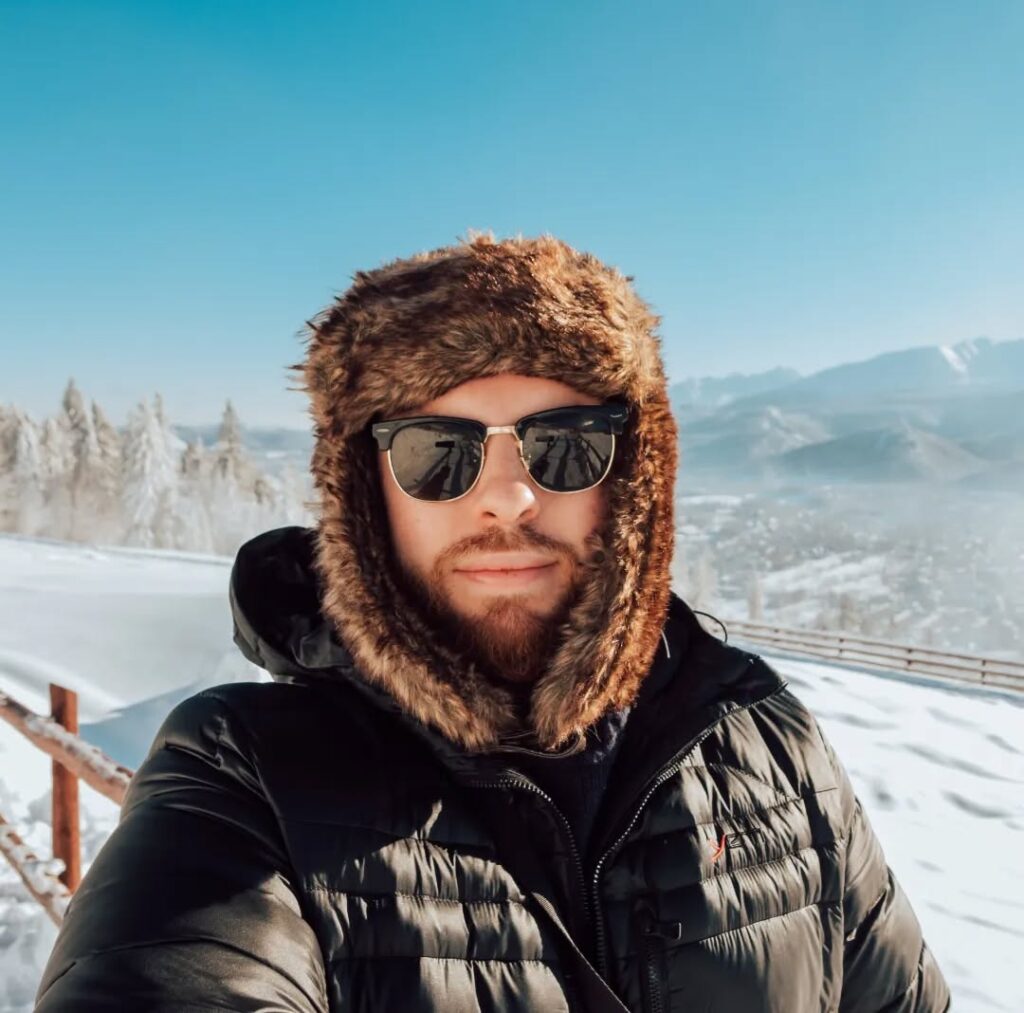
🔑Next time you are unsure about being in your own photo, remember this is not about being perfect or getting likes. It is about telling your story. Set up the camera, press the timer, and make sure you are part of your journey.
Essential Gear for the Solo Photographer (and What You Can Skip)
Picking the right gear as a solo traveler means finding a balance between quality and portability, between control and simplicity, and between big dreams and what you can actually do. The goal is not to carry more stuff, but to bring the right tools that let you take photos easily, without trouble. Below is a simple kit to help you take great solo photos, along with what you can safely leave at home.
The Core Kit: Cameras & Lenses
1) Smartphone (with a good camera)
For many solo travelers, a smartphone is more than enough.
- Pros: Always with you, discreet in public spaces, fast edits with powerful apps, excellent video stabilization.
- Cons: Limited optical zoom, less flexibility in low light, fewer manual controls.
- Best for: City travel, quick self-portraits, social-first storytelling.
2) Action Camera (for adventure-focused trips)
Best if your trip includes a lot of movement, like hiking, being near water, or tough conditions.
- Pros: Durable, waterproof, ultra-wide angles, hands-free mounting.
- Cons: Limited manual control, a very specific wide-angle look.
- Best for: Adventure travel, POV shots, dynamic environments.
3) Mirrorless vs. DSLR: What Works Best for Solo Travel?
- Mirrorless: For solo photography, mirrorless cameras are lighter and more compact, offering excellent image quality and easier setup.
- DSLR: Great image quality, but heavier and bulkier.
- Decision factors:
- Weight and size (you’ll carry it all day)
- Ease of use vs. advanced features
- Battery life and charging options
💡Expert tip: Choose the system you’re comfortable setting up alone, quickly, and repeatedly.
4) Lens Selection for Versatility
- Flexible single lens (around 50mm): Looks natural and is great for self-portraits and low-light photography.
- Wide-angle zoom: Best for landscapes and photos that show more of the surroundings.
💡Expert Tip: Choose your lens based on how you like to travel. If you pack light, one flexible lens is enough. If you want the best quality, you might bring two.
Must-Have Accessories for Solo Shoots
Lightweight Travel Tripod (non-negotiable)
This is the single most important accessory for solo photography. It gives you freedom and control.
- Types:
- Full-size travel tripods (best stability)
- Flexible tripods (wrap-around rails, trees)
- Compact tabletop tripods (urban use)
- Find the right balance between tripod stability and ease of carrying. Pick the lightest tripod that still feels steady in the wind.
Bluetooth Remote Shutter
A small tool with a big confidence boost.
- Works with most phones and cameras.
- Let’s you shoot from a distance.
- Helps capture natural, relaxed poses instead of rushed timer shots.
Portable Power Bank
Dead batteries end photo days fast.
- Ensure sufficient capacity for multiple charges.
- Fast-charging support saves time on the road.
- Especially critical for phones, remotes, and mirrorless cameras
Small, Secure Camera Bag
Your gear should feel safe, not heavy or stressful.
- Anti-theft features (hidden zippers, slash-resistant straps)
- Comfortable for long walks
- Basic weather protection for unexpected conditions
💡Recommended essentials recap: Lightweight travel tripod, Bluetooth remote shutter, portable power bank, and small secure camera bag.
What You Can Skip (and Why)
Heavy, bulky professional gear
Unless photography is the sole purpose of your trip, heavy setups will slow you down and discourage shooting.
Too many lenses
More lenses mean more decisions, more weight, and more missed moments. One versatile zoom or one to two primes is usually plenty.
Unnecessary filters
While creative, many effects can be added later with editing, which saves space and trouble.
Before packing, ask one question about every item: Does this help me shoot confidently on my own? If the answer is yes, it belongs. If not, leave it behind. Solo photography thrives on simplicity, and the right gear makes all the difference.
Mastering Self-Portraits: Techniques for Being Your Own Photographer
Taking great solo travel photos isn’t about being “naturally photogenic.” It’s about having a simple routine so you can set up fast, take photos with confidence, and get pictures that look planned, not rushed or awkward. Below are easy, step-by-step tips you can use anywhere, whether you’re in a busy city or alone on a mountain.
Setting Up Your Shot Solo: Tripods, Timers, and Stable Surfaces
Step-by-Step: Setting Up Your Travel Tripod (fast + stable)
- Pick your spot first (before opening the tripod).
Look for solid ground, not sand, loose gravel, or slippery tiles if you can avoid it. - Find a stable, level base.
If the ground slopes, adjust one leg shorter instead of forcing all legs equal. - Extend the thickest leg sections first.
The thicker parts keep your tripod steady. Only use the thin bottom sections if you really need more height. - Lock the legs tightly (double-check).
Give each leg a light tug to confirm it won’t slide down mid-shot. - Attach your camera/phone securely.
- Camera: tighten the quick-release plate properly.
- Phone: lock it in the clamp and test by gently shaking.
- Set your height + angle for composition.
- Chest height = natural portraits
- Lower angle = powerful/travel-hero look
- Higher angle = softer, casual vibe (but don’t overdo it)
- Do a “wind test.”
If it’s windy, lower the tripod, spread the legs wider, and hang your bag (only if your tripod supports it safely).
🔑Quick solo hack: Set up the tripod slightly off the path so people don’t bump it, and you feel less awkward.

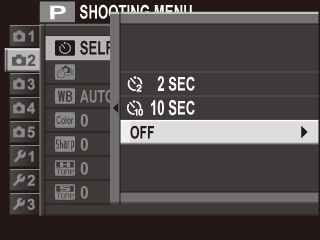
Step-by-Step: Using Your Camera’s Self-Timer (no remote needed)
- Open your camera/timer settings.
Common options: 2s, 5s, 10s- Use a 2-second delay to avoid camera shake when you press the shutter.
- Use a 10-second delay when you need time to walk into position.
- Choose your delay time.
Start with 10 seconds while you’re learning. - Set focus (so your face isn’t blurry).
- If your camera has face/eye detect, enable it.
- If using a phone, tap and hold on where you’ll stand (if possible).
- Press the shutter, then walk confidently to your spot.
Don’t sprint. Walking calmly looks better in photos and keeps you relaxed. - Hold your pose for 2–3 seconds.
Many cameras take the photo a little earlier or later than you expect. Staying still helps you get more good shots.
Step-by-Step: Pairing and Using a Bluetooth Remote (the solo traveler’s cheat code)
- Turn on Bluetooth on your phone/camera.
Keep your device nearby. - Put the remote into pairing mode.
Usually, a long press on the button on your remote’s light will cause it to blink. - Pair the remote in Bluetooth settings.
On a phone: Settings → Bluetooth → select the remote
On a camera: follow the camera’s “Bluetooth pairing” instructions - Open your camera app and test a shot.
Click the remote once to confirm it triggers the shutter. - Place the remote in your hand—or hide it.
- Hold it behind your back.
- Hide it in your palm.
- Put it in a pocket and click through fabric (works often).
Why this matters:
You don’t have to rush against a timer. You can relax, change your expression, and get more natural photos.
💡Expert Tip: Before your trip, do a quick practice in your room or backyard. Set up your tripod in under a minute, then use the camera timer to take 10 photos, and take another 10 using a remote. After, look at what worked best, like which angles, how high the tripod was, and how far you stood from the camera. This easy practice helps you stop feeling awkward and makes you feel ready and sure of yourself when taking photos outside.
No Tripod? Here’s How to Use Stable Surfaces (safely)
When a tripod isn’t possible, you can still get great solo shots by improvising:
- Rocks/ledges: Use your camera bag as a cushion to stabilize and prevent slipping.
- Benches/railings: Place your phone flat and add something behind it (a wallet, sunglasses case) to adjust the angle.
- Your camera bag: Works as a mini tripod on the ground, especially for low-angle travel shots.
⚠️Safety note: Avoid placing your phone on narrow ledges near water, cliffs, or crowded streets. One bump can end your shoot instantly.
Essential Camera Settings for Solo Shots (Simple, Reliable, and Confidence-Building)
Great solo photos don’t come from guessing your settings every time. They come from understanding a few key controls and knowing when to adjust them. Once these settings are clicked, you’ll stop worrying about the camera and focus on your presence in the frame.
Below is a simple guide you can use anywhere, whether you’re using a mirrorless camera or a phone with manual mode.
Aperture (f-stop): Control How Much Stands Out
Aperture controls how much of the scene is in focus.
- Wider aperture (f/1.8 – f/2.8):
Blurs the background and separates you from it. Perfect for solo portraits, café shots, or city streets. - Narrower aperture (f/8 – f/11):
Keeps more of the scene sharp. Ideal for landscapes where you + the environment matter equally.
🔑Solo traveler rule: If the background feels distracting, open your aperture. Let you be the anchor of the image.
Shutter Speed: Freeze or Flow with the Moment
Shutter speed controls motion.
- Fast shutter (1/250s and above):
Freezes walking, spinning, hair movement, or wind-blown clothes. - Slower shutter (1/30s – 1/60s):
Adds motion blur for artistic effects, such as flowing water or movement around you.
💡Expert Tip: If you’re moving (walking, turning, adjusting pose), don’t go below 1/125s unless you want blur on purpose.
ISO: Brighten the Shot Without Ruining Quality
ISO controls brightness, but also affects how grainy your photo looks.
- Low ISO (100–200): Best for daylight clean, sharp images.
- Medium ISO (400–800): Works well in shade, on cloudy days, and in indoor cafés.
- High ISO (1600+): Use only when necessary (night or very low light).
🎯Solo mindset: It’s better to have a slightly grainy photo than a blurry one. Sharp beats perfect.
White Balance: Make Colors Look Natural (Not Weird)
White balance controls color tone.
- Auto WB: Works well most of the time.
- Daylight / Cloudy / Shade: Use these if your photos look too blue or too yellow.
Quick fix: Golden hour looking dull? Switch from Auto to Daylight to keep warmth. Snow or beaches too blue? Try Cloudy.
Exposure Compensation: Brighten Yourself, Not Just the Scene
Exposure compensation lets you adjust brightness without changing other camera settings.
- +0.3 to +1.0: Brightens your face when the background is bright.
- –0.3 to –0.7: Prevents blown-out highlights in harsh sunlight.
💡Solo photography secret: Most cameras expose for the background. Use exposure compensation to make yourself the priority.
Use Burst Mode to Capture Natural Moments
Burst (continuous shooting) mode is a game-changer for solo shots.
- Takes multiple photos per second
- Helps capture:
- Natural smiles
- Mid-step movement
- Wind, hair, clothing flow
- Especially useful when using a tripod or remote
How to use it solo: Set burst mode → press remote once → move naturally for 3–5 seconds → choose the best frame later.
Quick Solo Settings Cheat Sheet
- Bright day portrait:
f/2.8 · 1/250s · ISO 100 · Exposure +0.3 - Walking shot:
f/3.5 · 1/500s · ISO Auto - Golden hour:
f/2.8 · 1/200s · ISO 200–400 · Daylight WB - Low light café:
f/2.0 · 1/125s · ISO 800–1600
Next time you shoot solo, don’t touch everything. Adjust one setting at a time. Mastery comes from small, intentional changes and once these settings become second nature, your confidence in front of the camera will follow.
Safety First: Protecting Yourself & Your Gear While Photographing Alone
Solo travel can be incredibly empowering, offering you the freedom to capture moments that truly represent your adventure. However, when you’re both the photographer and the subject, safety must always come first. Whether you’re snapping photos on a busy city street or in a remote location, keeping your well-being and gear secure is essential. Here’s how to stay safe while capturing your journey.
Situational Awareness: Being Present and Safe
As a solo traveler, staying aware of your surroundings is your first line of defense. Not only does this keep you safe, but it also helps you stay focused on what matters: your photography.
Expert Tip: Prioritize safety at all times. Always be aware of your surroundings, keep your gear secure, and choose well-lit, populated areas for self-shooting.
When you’re setting up your shot, make sure you’re in a location where you feel comfortable and can easily monitor who and what’s around you.
Choosing Locations Wisely:
- Avoid overly remote or dimly lit areas, particularly when you’re setting up equipment like tripods or extra camera gear. Dark corners or alleys can present risks, especially if you’re distracted while trying to frame the perfect shot.
- Opt for places with moderate foot traffic. You want to feel secure while also blending into the environment enough so that your gear isn’t a tempting target.
- Trust your instincts if a location or situation feels off, it’s better to pack up and move. No photo is worth compromising your safety.
Trusted travel safety organizations, like the U.S. Department of State’s travel advisories or local tourism safety initiatives, offer great resources on safe travel practices, helping solo travelers make informed decisions. Always review such guidelines before venturing into unfamiliar territories.
Securing Your Equipment
While your own safety comes first, keeping your gear safe is also very important. Camera equipment is expensive, and losing it can spoil your trip.
1) Anti-Theft Backpacks/Bags:
Buying a travel safety bag can really help. Look for backpacks made from strong, uncuttable material, with hidden zippers and pockets you can lock. These features help keep your gear safe from thieves when you are not watching.
2) Keeping Gear Close and Visible:
Never leave your camera bag unattended, even for a second. When you’re photographing, always keep your bag in sight, and if you need to set it down, place it so you can easily monitor it.
3) Camera Straps and Tethers:
Use strong camera straps and wrist bands to keep your camera with you at all times. In places where theft is common, like busy markets or cities with pickpockets, consider using a steel cable to secure your tripod or camera bag to something that cannot be moved.
4) Travel Insurance:
Do not forget how important it is to have travel insurance that covers your equipment. Make sure your camera gear is included in your plan, so if something happens, like your camera getting broken or stolen, you will not have to pay for it yourself.
Interacting with Strangers Responsibly
When you’re traveling alone and need an extra hand for that perfect shot, sometimes it makes sense to ask someone for help. However, it’s essential to approach these situations with caution.
When to Ask for Help:
If you need a more complex shot and think you could use a hand, choose someone who looks trustworthy, perhaps another traveler with camera gear. It’s often safer to approach another solo tourist than to ask a local for assistance, especially in unfamiliar areas.
How to Politely Decline:
In certain situations, you might encounter someone offering help that you don’t need or want. If you feel uncomfortable, don’t hesitate to politely but firmly decline. Trust your gut.
Ethical & Cultural Considerations:
It is important to be respectful when taking photos of people, especially in places with different cultural rules. In some countries, people may not want their pictures taken, or places may not allow photos. Always ask before taking someone’s photo, especially where it might be seen as rude. Learn about local rules and manners for photography so you can be polite.
Emergency Preparedness
No one wants to think about emergencies when they are traveling, but being ready for the worst is very important.
Know Local Emergency Numbers:
Make sure you’re aware of the emergency contact numbers for the area you’re visiting. This includes police, fire, and medical assistance. Write these numbers down or store them on your phone for quick access.
Share Your Itinerary:
Before heading out to capture photos, always share your travel itinerary with a trusted family member or friend. This ensures that someone knows where you are in case of an emergency.
Offline Maps and Communication Options:
Many places lack good cell phone service, especially in remote areas. Download maps to your phone that work without an internet connection, and consider other ways to communicate, like satellite phones or walkie-talkies, if you are going somewhere hard to reach.
Final Thoughts: Safety Comes First
Your adventure should make you feel strong and happy, but it is very important to always put your safety first. By following these simple safety tips and staying alert, you can focus on taking the photos that make your solo travels special, without worrying about what might happen.
The world is full of beautiful places and people waiting to be captured through your lens. So, go ahead, explore, photograph, and share your experiences with the confidence that you’re always prepared.
Post-Processing Perfection: Editing Solo Travel Photos Like a Pro
You’ve captured the moment, and now it’s time to enhance it. Editing is where your solo travel photos can truly shine, transforming your images from good to spectacular with just a few simple tweaks. Whether you’re looking to brighten a dull shot or bring out the details of a breathtaking landscape, editing can make all the difference. Let’s explore how to fine-tune your images for that professional touch.
Essential Editing Steps for Impact
These quick, impactful steps can transform your photos into visual stories that convey the magic of your travels.
1. Cropping & Straightening: Improve Composition
The first step to enhancing your photo is to crop and straighten. A quick crop can remove unnecessary distractions from the edges of your photo, improving its composition and focus. Straightening the horizon, especially in landscape shots, makes the image more balanced and visually appealing.
💡Pro Tip: When cropping, follow the Rule of Thirds to place your subject off-center, creating a more dynamic and engaging photo.
2. Exposure & Contrast Adjustment: Bring Your Image to Life
Adjusting the exposure and contrast is one of the quickest ways to breathe life into an image. Brighten underexposed areas (like shadows) and deepen areas of contrast to create drama. Sometimes, simply brightening a dull photo can bring it from average to eye-catching.
💡Expert Tip: Play with the highlights and shadows sliders to add more depth. Darkening the shadows while brightening the highlights gives your photo a more three-dimensional feel.
3. Color Correction & White Balance: Ensure Natural Vibrancy
Fixing the colors is important for making your photos look bright and natural. Adjust the white balance so the colors match how the scene actually looked. If your photo looks too blue or too yellow, adjust the temperature until it looks right.
💡Pro Tip: To enhance colors without overdoing it, adjust the vibrance rather than the saturation. This method boosts the colors in the photo without making them look unnatural.
4. Sharpening & Noise Reduction: Enhance Details
If your shot was taken in low light, you may notice some graininess or noise. Using the noise reduction tool can smooth out these imperfections. On the flip side, sharpening the image can make details pop, especially in landscapes or architectural shots.
💡Expert Tip: When reducing noise, be careful not to lose too much detail. Always zoom in at 100% to check your edits.
5. Light Retouching: Clean Up Distractions
Minor distractions in the background, such as stray litter, people, or objects, can detract from your photo’s beauty. Use the healing brush or clone tool to remove these elements without compromising the image’s natural feel.
💡Pro Tip: Keep your retouching subtle. The goal is to enhance the photo, not alter it completely.
Top Editing Apps & Software for Mobile & Desktop
When selecting photo editing apps or software, ensure you use tools that are up to date and offer the features you need for the best results. I’ll review some of the most popular editing options as of October 2023, so you’re equipped with the latest recommendations.
1. Snapseed (Mobile)
Snapseed is a user-friendly app that’s perfect for quick edits on the go, making it a favorite for travelers. It offers a variety of tools, including selective adjustments, a healing brush, and perspective tools.
Key Features:
- Selective Adjustments: Allows you to adjust specific areas of the photo (great for brightening up a subject while keeping the background darker).
- Healing Brush: Ideal for removing unwanted objects or people.
- Perspective Tools: Perfect for correcting skewed horizons or architectural shots.
2. Adobe Lightroom Mobile/Desktop
If you want more control and extra features, Adobe Lightroom is a strong choice. It saves your photos online, so you can open and edit them on different devices and always have your best pictures with you.
Key Features:
- Raw Editing: Lets you work with original photo files, so you have the most options when editing.
- Powerful Color Grading: Great for getting strong, bright colors and making your photos look like they belong together.
- Presets: Adobe Lightroom comes with pre-designed filters, and you can also create your own for a consistent look across your photos.
Creating a Consistent Look: Presets & Filters
When editing multiple photos from a trip, it’s important to create a cohesive look. Presets can help you apply the same set of adjustments to a series of photos, ensuring a consistent aesthetic.
Using Pre-Defined Presets:
Presets are predefined editing settings you can apply to your photos with a single click. Whether you’re after a warm, sun-soaked aesthetic or a cool, moody vibe, presets can streamline your editing process and give your photos a polished, uniform look.
Customizing Presets:
While presets are great for speeding up your workflow, they’re just a starting point. Customize them to match your personal style. Adjust the preset’s intensity or fine-tune specific elements like exposure, color balance, or contrast to make it your own.
Final Thoughts:
Editing can be a fun, creative way to bring your solo travel photos to life. With just a few simple steps, you can transform your photos into stunning visual stories that capture the essence of your travels. Whether you’re a beginner or an experienced photographer, the right editing tools and techniques can elevate your images and make them even more memorable.
So, grab your photos and start editing. With these tips and apps in your toolbox, you’re ready to turn your travel moments into breathtaking memories.
Solo Travel Photography Checklist
This easy-to-use checklist helps you get ready, stay safe, and find new ideas for every solo photo you take.
| Category | Item/Action | Status/Notes | Priority | Tool Needed |
| Pre-Trip Preparation | Research locations for optimal light and safety (e.g., Golden Hour spots, crowded vs. quiet areas) | Identify specific photo spots and best times for shooting. | High | Travel Guides, Online Resources |
| Pack essential, lightweight gear (travel tripod, remote shutter, power bank, secure camera bag) | Ensure all items are easily accessible and protected. | High | Camera Gear | |
| Charge all camera batteries, smartphone, and power bank; clear memory cards | Prevent running out of power or storage mid-shoot. | High | Camera, Phone, Power Bank | |
| Practice using your camera’s self-timer or remote shutter at home | Get comfortable with settings and posing before the actual trip. | Medium | Camera, Remote Shutter | |
| Plan a few key shots or poses you want to try (consider outfits/props) | Visualize the story you want to tell and how you’ll feature yourself. | Medium | Camera, Props, Outfits | |
| During-Trip Execution | Prioritize personal and gear safety; maintain situational awareness | Avoid risky locations, keep gear secure, and be aware of surroundings. | High | Awareness, Anti-Theft Gear |
| Scout locations for compositions (leading lines, natural frames, interesting backgrounds) | Look for unique angles and elements that enhance your self-portrait. | High | Camera, Notebook | |
| Set up your tripod/camera on a stable surface for self-portraits | Ensure camera is level and secure; use a stand-in for focus if needed. | High | Tripod, Remote Shutter | |
| Utilize self-timer or remote shutter for hands-free shooting; use burst mode for dynamic poses | Capture multiple frames to increase chances of a perfect shot. | High | Remote Shutter, Camera | |
| Experiment with different compositions and poses (refer to ‘Posing Playbook’ for ideas) | Don’t be afraid to try unique angles and interactions with your environment. | Medium | Camera, Tripod, Remote Shutter | |
| Engage with the environment and tell a story, not just a static pose | Incorporate local elements or actions that reflect your experience. | High | Camera, Props, Local Items | |
| Backup photos regularly (cloud, external drive) | Immediately transfer photos after a significant shoot to prevent loss. | High | Cloud Storage, External Drive | |
| Post-Trip Workflow | Cull and organize your best shots from the trip | Be ruthless in selecting only the strongest, most impactful images. | High | Computer, Editing Software |
| Edit photos using recommended software/apps (e.g., Snapseed, Lightroom Mobile) | Apply basic adjustments (exposure, contrast, color) for maximum impact. | High | Snapseed, Lightroom Mobile | |
| Share your favorites and reflect on the journey and the stories behind them | Connect with your audience and relive your adventures through your photos. | Medium | Social Media, Blog |
Key Notes:
- Priority shows how important each task is for a good solo travel photo shoot. High-priority tasks are very important for your safety and for taking good photos.
- The Tool Needed column shows which gear or apps you need to complete each step.
Conclusion: Embrace the Lens, Embrace the Journey
You now have everything you need to confidently take amazing solo travel photos, turning your adventures into memories you can see. With each photo, you’re not just recording your travels, you’re sharing the story of your journey, your growth, and how you see the world.
Recap of Key Takeaways
- The deep personal value of solo travel photography: It’s about capturing what makes your adventure special, both the place you visit and how you feel while you’re there.
- The essential, easy-to-carry gear that helps you take photos on your own: From tripods to remote shutters, the right gear keeps you ready for that perfect shot without carrying too much.
- Getting good at taking photos of yourself with tripods, remotes, and camera settings: Learn how to use your camera’s self-timer, remote shutter, and tripod to take great photos of yourself, even when you’re by yourself.
- Using simple tips for how to set up your photos and pose for better pictures: Whether it’s using the Rule of Thirds, trying different angles, or making use of your surroundings, planning your photo makes it look better.
- Prioritize your safety and that of your valuable equipment: Always be aware of your surroundings, secure your gear, and follow safety practices to keep yourself and your equipment safe.
- Making your photos better with simple editing: Use editing tools to improve brightness, contrast, color, and sharpness, making your photos look lively and showing the beauty you saw.
The Joy of Documenting Your Unique Story
Solo travel photography is a powerful way to show who you are. It’s about seeing the world in your own way and saving those special moments when you are alone but truly part of your journey. Each photo is more than just a picture; it’s a piece of your adventure saved forever.
💡Expert Tip: While getting good photos is great, remember to put the camera down and fully experience your solo journey. The most meaningful moments are often the ones we live, not just the ones we photograph. Be present, immerse yourself in the experience, and let the memories fill you up before you capture them in a frame.
Your Adventure Awaits
Go out, try new things, and capture the amazing story of your solo travels. The world is yours to explore, and you are the most interesting part of your photos. Every moment, every scene, and every place could be a great photo, and you have what you need to take it.
Start planning your next solo shoot today. Your lens is ready, and so is the adventure.
FAQs for Solo Travel Photographers
Answering common questions and clearing up misunderstandings helps solo travelers feel more confident when taking photos of their trips. This FAQ offers practical tips for some of the most common concerns solo travel photographers have. Let me know if you want more changes or extra details!
1. “How do I deal with tourists in my shot?”
One of the biggest problems for solo travelers is taking photos in busy places. While you might want to wait for everyone to leave, that usually is not possible.
💡Expert Tip: Think about the photos you want to take before you get to a busy place, and, if possible, take them early in the morning or late in the evening, when there are fewer people.
Techniques:
- Long Exposure: Use a slow shutter speed to blur moving people, which can make the place look empty but still convey what it feels like to be there.
- Unique Angles: Try taking photos from different spots or from above to keep people out of your picture.
- Wider Shots: Take photos that include the crowd, making them part of your story rather than something that gets in the way.
2. “Is it okay to ask strangers to take my photo?”
It’s completely okay to ask strangers for help, but do so carefully and safely.
General Rule: Look for other tourists holding cameras or phones, as they are usually comfortable taking photos. Be polite and clear when you ask for help.
💡Expert Tip: Offer to take their photo first. This gesture builds trust and sets a friendly tone.
Be Specific: When you give instructions, keep them simple and clear. For example:
- “Just press here when I raise my hand.”
- “Can you capture the whole building in the shot?”
Clear instructions help you get the photo you want.
3. “How do I choose the best time of day to shoot?”
Lighting is very important in photography, and the time of day can really change how your photos look.
💡Expert Tip: Take photos during the Golden Hour, around sunrise and sunset, when the light is soft and warm. At these times, you can also get beautiful skies that make your photos stand out.
Avoid: Taking photos in the middle of the day, because the sunlight is very strong and can make your pictures look too bright or flat.
🔑Insight: Look up the local times for sunrise and sunset so you can plan your photos and not miss the best light.
4. “What if I’m not photogenic?”
Many people feel shy or awkward in front of the camera, but the great thing about solo travel photography is that it is about telling your story, not being perfect.
Focus on Moments, Not Poses: Take natural, real photos that show what your trip is really like, such as laughing, exploring, or just enjoying the view.
Posing Tips:
- Look away from the camera to create a more natural feel.
- Interact with your surroundings: touch a wall, point at something interesting, or sit and read to make the photo feel more natural.
- Confidence comes from inside you. Remember, it’s about the journey, not just having a perfect smile in your photos.
5. “How do I protect my gear from weather?”
Solo travel often means facing unexpected weather, so it’s important to keep your camera gear safe from rain, dust, and other things outside.
Gear Protection:
- Lens Hoods: A lens hood helps keep rain off your lens and stops bright light from causing unwanted spots in your photos.
- Rain Covers: A waterproof cover for your camera and lens is very helpful if it starts raining suddenly.
- Weather-Proof Camera Bag: Get a camera bag that protects your gear from water and dust.
Additional Tips:
- Do not leave your camera in very hot or very cold places for a long time.
- If you are taking photos in humid environments, like the tropics, keep your gear dry and wipe it down often.
Empowering Your Solo Travel Photography Journey
As a solo traveler, your photos are part of your adventure, showing both the places you visit and your own personal journey. By answering these common questions and worries, you can take photos with confidence and creativity, knowing you are ready for anything. Keep trying new things, stay safe, and most of all, enjoy every moment of your photo adventure.
I love reading and I think this website got some really utilitarian stuff on it! .
Thank you so much! I’m really glad you’re finding it useful.