

Introduction:
São Paulo is often skipped by digital nomads who pick places with more sun or lower costs. But behind its busy streets is a hidden treasure, full of culture, new ideas, and great opportunities. Are you ready to discover what it has to offer?
Getting around a city as big as São Paulo can feel overwhelming. From dealing with confusing visa rules and budgeting to finding reliable internet and meeting people, many nomads find these things hard. The city is so large and moves so quickly that it is easy to miss the real experiences it has to offer, leaving you feeling lost or left out.
This guide makes things simple, giving you a clear plan to not just get by, but to really enjoy life as a digital nomad in São Paulo. We will give you helpful tips, useful tools, and local advice so you can manage your visa, budget, find a place to stay, get online, and enjoy the lively Paulista life. Get ready to turn São Paulo from something that seems scary into your next amazing adventure.
Why São Paulo for Digital Nomads?
São Paulo: The Misunderstood Gem – A Nomad’s Guide to Unlocking Brazil’s Dynamic Heart
São Paulo is often misunderstood; it’s not just a huge city full of buildings and traffic. Many digital nomads skip it because they think it’s “too big” or “too dangerous,” but by doing that, they miss out on its special energy and amazing chances. Behind the tall buildings and busy streets is a city that’s always changing, full of life, different people, and culture.
Dispelling Common Misconceptions:
Forget the old idea of São Paulo as just a city of buildings with nothing special. The city has many green parks, a lively arts scene, and neighbourhoods with their own stories. From cool cafes and creative spots in Vila Madalena to the busy business area, São Paulo is more than just a place to work; it’s a place to experience.
Hidden Charms:
São Paulo’s hidden gems are everywhere. The amazing food scene rivals that of any big city, from fancy restaurants to bustling street food markets. The arts are strong, with galleries, live music, and street art showing up in surprising places. São Paulo’s nightlife is famous, and its cultural events go from big festivals to small shows that let you feel the city’s creative spirit.
Unexpected Opportunities:
The city’s bustling startup scene offers plenty of opportunities for businesspeople and digital nomads. With more shared workspaces, events to meet people, and money for new businesses, São Paulo has become one of the best places for tech in Latin America. Also, its mix of cultures makes it a great place for new ideas and working together.
The Entrepreneurial Nomad’s Playbook for São Paulo
São Paulo is not just the biggest city in Brazil; it’s the main business centre of Latin America. Whether you work in tech, design, or finance, the city gives you chances to meet people like you, grow your business, and find skilled workers.
Economic Significance in Latam:
As the business and money centre of Brazil, São Paulo is very important for Latin America’s economy. It has many types of businesses, from banks and tech companies to factories and media companies. For digital nomads who want to work with local companies, São Paulo is the place to be.
Opportunities for Networking and Startups:
The city’s business world is busy and growing quickly. Programs that help new companies, people who invest in the city, and events that bring people together all make São Paulo a great place to work. Digital nomads can succeed here by using these tools and meeting people from many countries.
Access to Talent and Local Market:
São Paulo is the centre of skilled workers in Brazil, with universities, creative companies, and many kinds of professionals. As a nomad, you can work with local talent or hire skilled people to help your business. Also, the city gives you access to Brazil’s big market, which is great for testing new ideas or growing your product.
A Melting Pot of Culture and Innovation
São Paulo’s mix of cultures is not just something to notice; it fills the city with energy and new ideas. As Brazil’s centre for culture and business, the city is a lively place for remote work, creativity, and starting new businesses.
Multicultural Heritage:
São Paulo is home to many groups, including Italians, Japanese, Arabs, and African Brazilians, all of whom have contributed to the city’s rich culture. You can see this mix in the city’s food, festivals, art, and daily life, making it an exciting and inspiring place to live and work.
Reputation as Brazil’s Financial and Cultural Capital:
With its tall buildings and lively arts scene, São Paulo is where Brazil’s economy and culture come together. Whether you want to grow your business, join Brazil’s world of new ideas, or enjoy its rich culture, São Paulo is the place to be.
Dynamic Energy:
You can really feel the energy in São Paulo; its busy pace, creativity, and constant change make it a great place for remote work. This energy inspires digital nomads who want new experiences, new chances, and a fresh view on life.
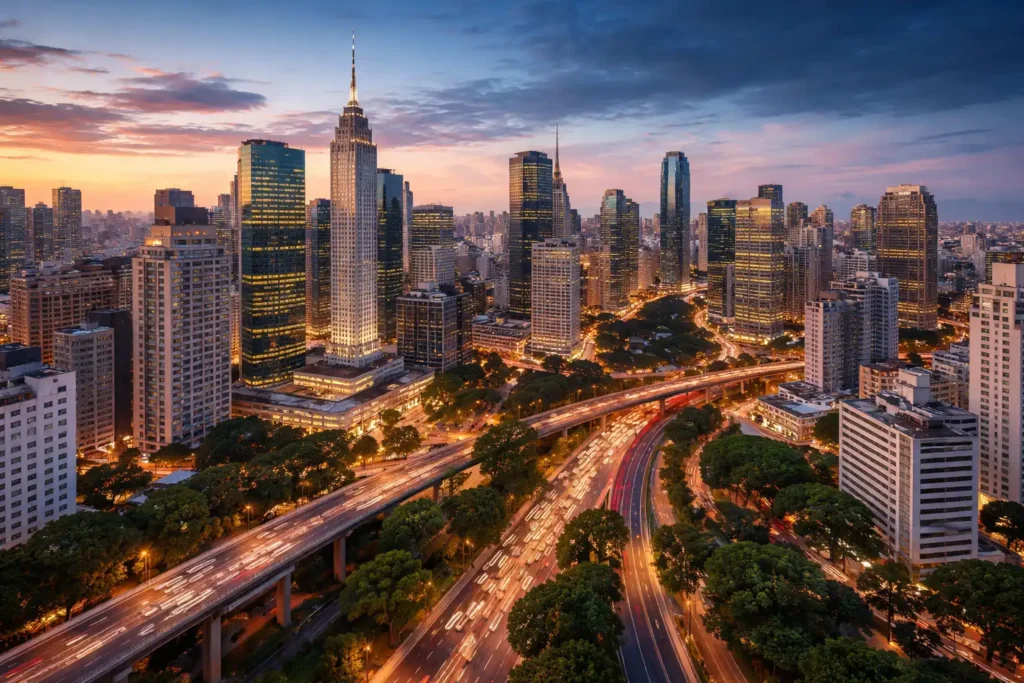
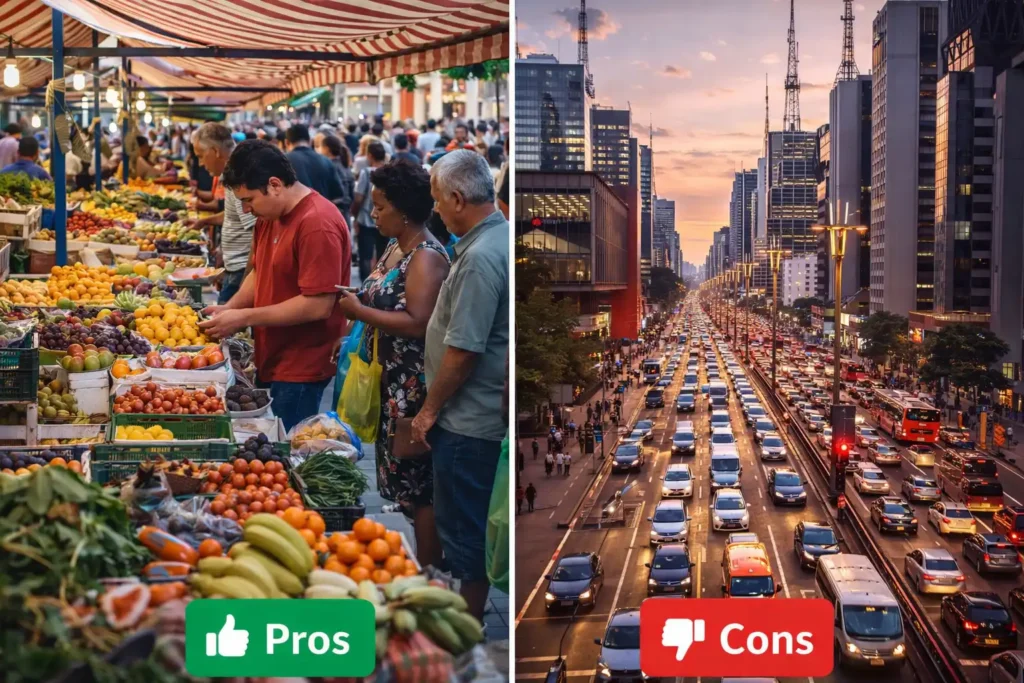
Pros & Cons of Nomading in São Paulo
Why São Paulo Shines
Cultural Richness & Diversity
São Paulo brings together many cultures, making it a lively and varied place for digital nomads to explore. The city has top museums, theatres, and music spots, making it a great place for anyone who loves the arts. Whether you’re walking through the São Paulo Museum of Art (MASP) or listening to music at one of its busy venues, there is always something creative going on.
People who love food will find lots of options in the city, from Japanese sushi and Italian pasta to Middle Eastern treats and special Brazilian dishes. São Paulo is also known for its bright street art and nightlife, with colourful murals in neighbourhoods like Vila Madalena and many bars and clubs to visit after dark.
Economic Opportunities & Innovation
As Brazil’s biggest business centre, São Paulo offers many opportunities for entrepreneurs and digital nomads looking to succeed. The city’s active startup scene attracts people in tech and creative fields, with lots of events and shared workspaces that help them collaborate and grow. Whether you’re a developer, marketer, or designer, São Paulo is a great place to start a business or meet new professional contacts.
Infrastructure & Connectivity
Getting around São Paulo is pretty easy thanks to its extensive public transportation system, which includes the metro and buses. The city’s internet is usually good, but the quality can change depending on where you are. Digital nomads will like the many cafes, shared workspaces, and public places with good Wi-Fi, making it easy to work from anywhere.
Cost-Effectiveness (Compared to Global Hubs)
Compared to big cities in Europe or North America, São Paulo is usually cheaper, especially if you stay away from the main tourist areas. The cost of living varies by your lifestyle and where you live, but it is still a good choice for digital nomads who want to save money while enjoying a high quality of life.
Authentic Brazilian Experience
Unlike cities that focus more on tourists, like Rio de Janeiro, São Paulo offers a more authentic Brazilian experience. Here, you can dive into local life and find special places that most tourists miss. The city’s mix of cultures, including Italian, Japanese, and Arab communities, offers many interesting experiences that are part of São Paulo’s history and its lively present.
The Challenges: What to Prepare For
Safety Concerns
Like many big cities, São Paulo has some safety issues. Pickpocketing and other minor crimes can occur in crowded places, so it’s important to stay alert, especially on busy streets or when using public transport. The city has many safe neighbourhoods, but paying attention to your surroundings, especially at night, is important for staying safe.
Language Barrier
You need to know Portuguese in São Paulo, and while some people speak English, most do not. This can make daily tasks harder for digital nomads, like shopping or using local services. The good news is that learning a few simple Portuguese words, like “Bom dia” (Good morning), “Obrigado” (Thank you), and “Por favor” (Please), can really help you connect with people and show respect for the local culture.
💡Expert Tip: Even basic Portuguese knowledge can enhance your experience in São Paulo, enabling smoother interactions and deeper integration into the local community.
Bureaucracy & Process
Brazil’s paperwork, especially for visas and banking, can be complicated and take a long time. The rules can be frustrating, but it is important to be patient and keep trying. Digital nomads who want to live and work in São Paulo should be prepared for potential delays and issues, which will help make things less stressful.
Sheer Size & Traffic
São Paulo is huge, both in terms of area and population. Its large neighbourhoods and long streets can make getting around difficult. Traffic is heavy during busy times, so long trips are common. If you are not close to a metro station or your co-working space, you might spend a lot of time travelling. It is important to choose your location carefully to avoid spending too much time in traffic.
🔑The size and busy nature of São Paulo can be overwhelming for some digital nomads, especially if they are used to smaller cities or a slower pace of life. Being ready for this fast-moving city is important for doing well here.
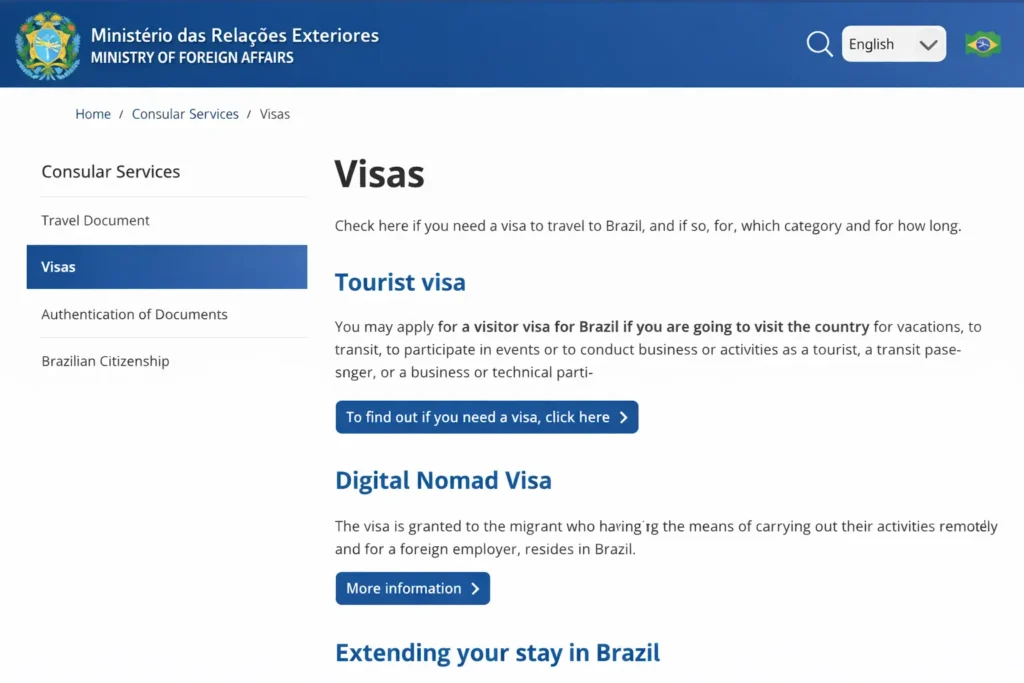
Visa & Entry Requirements for Brazil
Understanding Brazilian Visa Types
When planning your stay in Brazil, knowing about the different visa options will help you arrive without problems. For digital nomads, the main choices are the Tourist Visa and the new Digital Nomad Visa.
- Tourist Visa: The Tourist Visa is usually issued for short visits (up to 90 days) and is valid for people coming to Brazil for vacations, business meetings, or short events.
- Digital Nomad Visa: Brazil now offers a special visa for people who work online from anywhere (this may still be changing). This visa lets digital nomads live in Brazil while working for companies outside the country. Check the official Brazilian government websites for the latest rules and eligibility requirements.
The Digital Nomad Visa for Brazil
The Digital Nomad Visa for Brazil is for people who work online and can show they earn income outside Brazil. Here’s what you need to know:
- Current Status and Eligibility Criteria:
To get the Digital Nomad Visa, you must show proof that you work online and earn enough income each month (usually above a certain threshold).
Key requirements:- Proof of remote employment or a freelance contract.
- Sufficient income to support yourself while living in Brazil.
- Application Process:
You can apply for the Digital Nomad Visa online or at the Brazilian embassy or consulate in your country, depending on where you are from. Always check the exact steps for your location. - Required Documents Checklist:
To apply for the Digital Nomad Visa, you will need the following:- Valid passport (with at least six months of validity).
- Proof of income (bank statements, pay slips, contracts).
- Proof of remote employment (employment contracts, proof of freelance work).
- Health insurance (with coverage for the duration of your stay).
- Criminal record check (from your home country or the country where you’ve lived in the past five years).
- Specific forms required by the Brazilian government.
- Processing Times and Fees:
Processing times can vary, but it usually takes a few weeks to a few months. Fees depend on the type of visa and where you apply. Always check the costs and how long it will take with the Brazilian office you are using.
Extending Your Stay (If Applicable)
If you want to stay longer than your visa allows, you can extend both the Tourist Visa and the Digital Nomad Visa in Brazil. Here’s what you should know:
- Tourist Visa Extensions: Extensions are usually granted for an additional 90 days, but you must apply before your initial visa expires.
- Digital Nomad Visa Extensions: You may be able to renew your Digital Nomad Visa, depending on your case, and the rules may differ for each person.
Essential Documents to Carry
When travelling to Brazil, make sure to bring both paper and digital copies of these documents:
- Passport (and visa if physical).
- Proof of accommodation (e.g., hotel reservations, rental contracts).
- Return ticket (if applicable).
- Digital and paper copies of all important documents (visa, passport, proof of income, and so on) in case of emergencies.
For the most accurate and up-to-date visa requirements, always check the official resources. Visit the Brazilian Ministry of Foreign Affairs website or the Brazilian consulate in your country for the latest updates on visa policies. Be sure to confirm all information directly from these trusted sources.
This will help you have the right and up-to-date information so you can avoid problems when planning your stay in Brazil.
Cost of Living in São Paulo: A Detailed Breakdown
Budgeting for São Paulo: What to Expect
São Paulo is a busy city with lots of choices for digital nomads. How much it costs to live here depends a lot on where you live, how you like to spend your time, and what you eat. Whether you want to save money or enjoy a more expensive lifestyle, São Paulo has options, but knowing what things cost is important for keeping your budget on track.
Overview of Factors Influencing Cost
Several factors will influence how much you spend living in São Paulo:
- Neighbourhood: Rent varies widely depending on where you live. Central and wealthy neighbourhoods like Jardins and Pinheiros usually cost more than places farther from downtown, like Brás or Mooca.
- Lifestyle: If you like eating out often or going to fancy events, you will spend more. If you choose a simpler lifestyle, like cooking at home and using public transport, you can save money.
- Eating Habits: São Paulo has great food, from cheap street snacks to expensive restaurants. How much you spend depends on whether you eat at simple places or fancy ones.
Strategies for Saving Money in a Big City
Living in a large city like São Paulo doesn’t have to be expensive. Here are a few strategies to manage costs:
- Live in a cheaper neighbourhood: Choosing areas like Santa Cecília or Vila Mariana can help you save a lot on rent.
- Cook at home: Shopping at local feiras (markets) for fresh food is cheap and gives you good, local ingredients.
- Use public transport: The metro and buses are cheap and work well, so you do not have to use costly taxis or ride-sharing apps.
- Enjoy free or cheap entertainment: São Paulo has many museums, parks, and cultural events that cost little or nothing.
Uncertainty About the True Cost of Living
Many nomads do not know what it really costs to live in São Paulo, and making a budget can feel hard. The numbers below will help you see what to expect in different areas, but remember these are just estimates and can change a lot depending on what you like and how you live. Also, if you are changing money to Brazilian Reais (BRL), the exchange rate can affect your costs.
Comparative Table of Estimated Monthly Costs
| Category | Budget Nomad (USD) | Mid-Range Nomad (USD) | Luxury Nomad (USD) |
| Accommodation (Rent) | 400-700 | 700-1200 | 1200+ |
| Groceries | 150-250 | 250-400 | 400+ |
| Eating Out | 100-200 | 200-500 | 500+ |
| Transportation | 50-100 | 100-150 | 150+ |
| Utilities (Incl. Internet) | 80-150 | 100-200 | 150-250+ |
| Entertainment & Leisure | 80-150 | 150-300 | 300+ |
| Miscellaneous | 50-100 | 100-200 | 200+ |
| Total Estimated Monthly | 910-1650 | 1800-2950 | 2900+ |
Detailed Breakdown by Category
Accommodation
- Budget Nomad: You can find a shared apartment or studio in neighbourhoods like Vila Progredior or Santa Cecília for less money.
- Mid-Range Nomad: Renting a one-bedroom apartment in central areas like Pinheiros or Vila Madalena usually costs a medium amount.
- Luxury Nomad: If you want a fancy place to live, areas like Jardins and Itaim Bibi have luxury apartments, but the rent is much higher.
Groceries & Food
- Local Markets (Feiras): Fresh food from local markets is cheap and very good. For example, a kilo of tomatoes at a feira might cost about R$5 (USD 1).
- Eating Out:
- Budget: A lanchonete (local snack bar) or a “prato feito” (set meal) can cost between R$12 and R$ 25 (USD 3-5).
- Mid-Range: At a nice restaurant, you will spend about R$40-80 (USD 8-16) for each meal.
- Luxury: Eating at fancy restaurants can easily cost more than R$100 (USD 20) per person, especially in rich neighbourhoods.
📑Real Nomad Diaries: My first time at a ‘feira’ was eye-opening, so much fresh, affordable produce! I could get a week’s worth of groceries for under R$50 (USD 10), and the quality was amazing.
Transportation
- Public Transport: The metro system in São Paulo is big and cheap. A single metro or bus ride costs about R$4.40 (USD 0.85), and you can get monthly passes for a lower per-ride cost.
- Ride-Sharing Apps: A ride with Uber or 99 usually costs between R$15-50 (USD 3-10), depending on how far you go.
Utilities
- Electricity, Water, Gas, and Internet: These costs can change, but bills for services like Wi-Fi are usually between R$300-500 (USD 60-100) for a medium-priced apartment.
Entertainment
- Cinema: A movie ticket costs about R$25-40 (USD 5-8).
- Concerts & Museums: Many museums are free on some days. Tickets to events like concerts or theatre shows usually cost between R$30 and R$ 150 (USD 6-30).
Miscellaneous
This category covers personal care items (such as toiletries or gym memberships), clothes, and unexpected costs. A normal gym membership is about R$100-200 (USD 20-40) each month.
To ensure the cost-of-living information for São Paulo is accurate, trusted sources such as Numbeo and QuintoAndar, a local real estate website, were used. These sources show what rent and living costs are like in the city.
🛠️Product Recommendation: For handling money transfers and currency conversions, services like Wise (formerly TransferWise) and Revolut are very useful. They offer good exchange rates and low fees, making it easier and cheaper to manage your money in Brazil.
Day in the Life Scenarios: Budget vs. Luxury
- Budget-Conscious Creative:
A day starts with fresh fruit and bread from a local bakery (R$10). The creative nomad works at a co-working space (R$20/day), has a simple lunch at a lanchonete (R$15), and spends the evening at free cultural events or at a local bar (R$10). - Luxury Tech Nomad:
The luxury tech nomad has an expensive breakfast at a café (R$40), takes an Uber to a top co-working space (R$30), eats lunch at a fancy restaurant (R$100), and goes to a concert or special event in the evening (R$150).
These examples show how costs can vary depending on your lifestyle, helping you plan your budget for your own needs in São Paulo.
Workspaces & Connectivity in São Paulo
Reliable Internet Providers
Having a fast, reliable internet connection is crucial for digital nomads. Fortunately, São Paulo is well-served by several internet service providers (ISPs). Here’s a breakdown of the major ISPs, along with average speeds and costs:
| Provider | Average Speed | Cost (per month) | Notes |
|---|---|---|---|
| Claro | 50–100 Mbps | BRL 100 – 200 | Solid coverage and reliable speeds in urban areas. |
| Vivo | 50–100 Mbps | BRL 120 – 250 | Good coverage with multiple broadband options, including fibre optic. |
| TIM | 30–50 Mbps | BRL 90 – 180 | Affordable plans with relatively good coverage in São Paulo. |
| Oi | 20–50 Mbps | BRL 80 – 150 | Budget-friendly, but speeds vary depending on the neighborhood. |
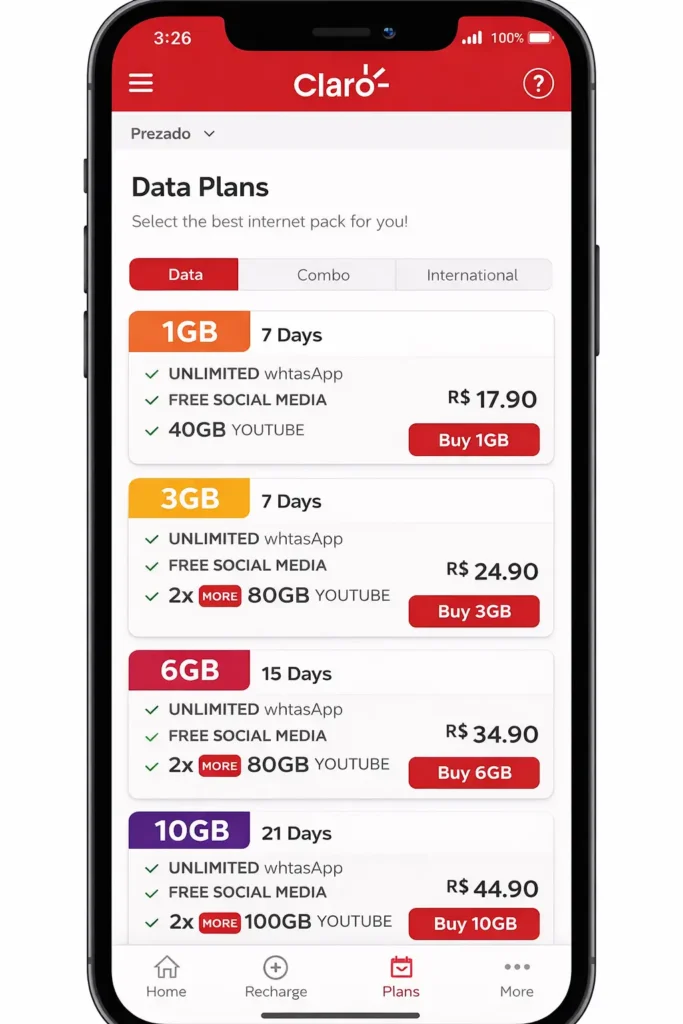
Upon arrival, consider getting a local SIM card from Claro, Vivo, or TIM. Not only will it provide reliable internet access, but it will also make local calls significantly more affordable. Many SIM cards come with data plans that allow you to stay connected while on the go.
Best Coworking Spaces in São Paulo
São Paulo is home to a wide range of coworking spaces, catering to digital nomads, remote workers, and freelancers. São Paulo offers a wide range of coworking spaces to suit different working styles and budgets. WeWork operates multiple locations across the city, including Avenida Paulista and Vila Olímpia, with prices starting at BRL 800 per month for a hot desk. It is well-known for its vibrant community, high-speed internet, private offices, meeting rooms, coffee, snacks, and excellent networking opportunities. Spaces, with locations in Vila Madalena, Brooklin, and Paulista, offers shared desks from BRL 700 per month and provides modern design, lounges, fast internet, and local events, catering to a more creative and collaborative crowd. Regus, on the other hand, has numerous locations across São Paulo and is priced from BRL 600 per month for a hot desk. Its amenities include fully equipped offices, meeting rooms, internet, and coffee services, making it ideal for professionals who prefer a more corporate-like environment. For those seeking local independent options, Coworking Vila Madalena offers shared desks from BRL 400 per month with quiet zones, meeting rooms, a creative atmosphere, and flexible plans. Another excellent choice is Impact Hub, also in Vila Madalena, with prices starting at BRL 500 per month. It emphasizes social impact and entrepreneurship, providing networking events and fostering innovation within a supportive community.

When choosing a coworking space, consider factors such as location, the type of community (e.g., startups vs. established professionals), the availability of meeting rooms, and quiet zones if you prefer a more focused working environment.
Laptop-Friendly Cafes
Many cafes in São Paulo are remote-work-friendly, offering excellent Wi-Fi and power outlets for laptops. Here are a few recommendations:
- Cafe do Mercado (Centro): Known for a relaxed atmosphere and excellent coffee. Power outlets are available, and the Wi-Fi connection is stable.
- The Coffee Lab (Vila Madalena): A popular spot for digital nomads with great coffee and ample space for working. Good Wi-Fi and a quiet, creative environment.
- Cafe Sevilha (Jardins): Offers a calm atmosphere, with power outlets and fast Wi-Fi. Great for working on longer projects or meetings.
Tips for Finding Good Cafes for Remote Work
When choosing a café to work from in São Paulo, it is important to be selective to ensure a comfortable and productive environment. Look for places that are not overly crowded during typical work hours, as a quieter setting makes it easier to focus and take calls if needed. Before settling in, always check whether the café has reliable Wi-Fi and enough power outlets, since both are essential for long work sessions. It is also worth considering cafés that attract professionals or students, as these tend to be more accommodating to remote workers and provide an atmosphere that balances productivity with comfort.
Connectivity on the Go
When you are out and about in São Paulo, staying connected is essential, and there are several ways to ensure reliable internet access. Mobile hotspots are a practical option if the connection at your location is weak. Providers like Claro, Vivo, and TIM offer mobile data plans with generous allowances, and portable hotspot devices can also be rented from local mobile stores. Public Wi-Fi in cafes, libraries, and malls is another convenient choice, but it comes with risks, so it is important to protect your data. Always use a VPN to secure your connection, avoid accessing sensitive information like banking details, and disable file sharing while enabling firewalls to block unauthorized access. With solid internet service providers, well-equipped coworking spaces, and flexible mobile data options, staying connected in São Paulo is relatively straightforward. Just make sure to prioritize security and always keep a backup option in place for times when you are on the move.
Safety & Security Tips for São Paulo
By following these tips and staying vigilant, you’ll be well-prepared to experience São Paulo with confidence.
Navigating Urban Safety with Confidence
São Paulo is a big city in South America, and it can feel like a lot to take in, especially if you are new. Many people worry about safety, but with some simple tips and care, you can get around the city confidently.
General Urban Safety Practices
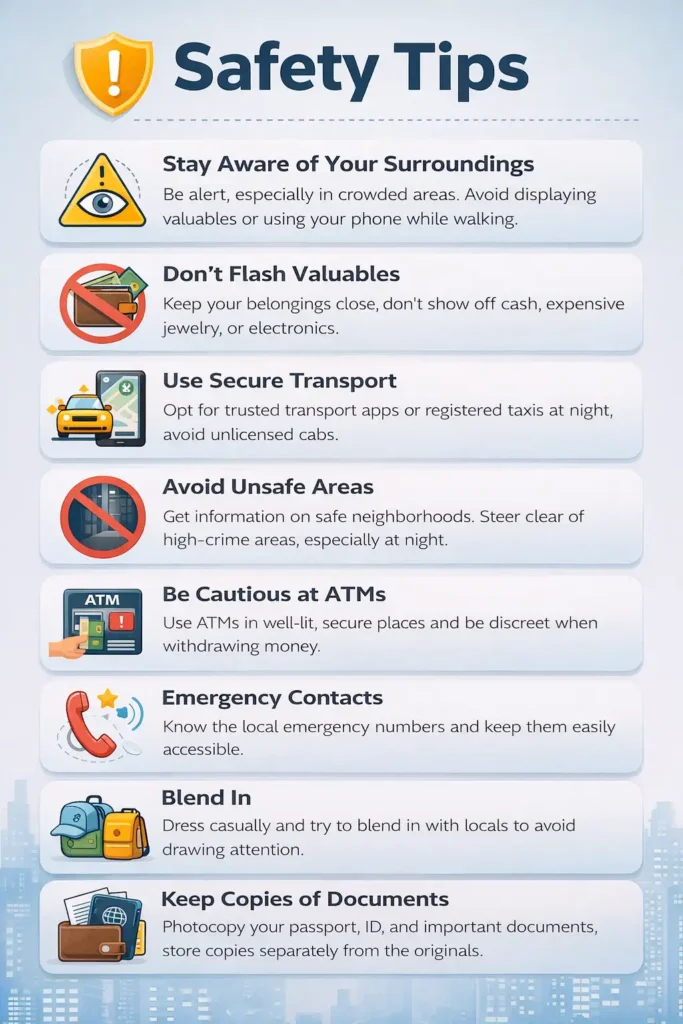
- Avoid Displaying Valuables: Whether it’s your phone, camera, or jewellery, avoid showing them off in public spaces. In São Paulo, like in any major city, flashy valuables can attract unwanted attention.
- Be Aware of Your Surroundings: Stay alert, particularly in crowded areas. Pickpockets and other petty criminals are often attracted to areas with high foot traffic.
- Walk with Purpose and Confidence: Walking confidently through the city can help you avoid being targeted. People who look lost or unsure are more likely to be approached by people looking to take advantage.
- Avoid Walking Alone at Night in Unfamiliar Areas: If you’re in an area you’re not familiar with, especially after dark, it’s wise to avoid walking alone. Stick to well-lit and busy areas.
Specific Scams & Situations to Be Aware Of
São Paulo, like many large cities, has its share of scams. Here are some key situations to be aware of:
- Pickpocketing: Most common on public transport, in markets, or on crowded streets. Keep your belongings secure, especially in busy places.
- “False Friend” Scams: Sometimes, individuals may approach you pretending to offer assistance or friendship, only to take advantage of you or steal from you. Always stay cautious when meeting new people in public.
- Express Kidnappings (Rare, but Possible): While very rare, quick kidnappings can happen, especially in quieter areas. These are fast and usually meant to get money from ATMs. They usually happen to locals, but it is still good to be aware.
- ATM Fraud: Use ATMs in well-lit areas, preferably inside shopping malls or banks, and avoid withdrawing large sums of money in a single transaction.
💡Expert Tip: While São Paulo is generally safe, practising common sense urban safety will serve you well. Avoid displaying valuables, be mindful of pickpockets, and use trusted transport options, particularly at night.
Safe Neighbourhoods & Areas to Avoid
- Safe Neighbourhoods: Some of the safest and most vibrant areas include Vila Madalena, Pinheiros, and Jardins, which are filled with cafes, shops, and restaurants. These neighbourhoods tend to be well-patrolled and busy, even at night.
- Areas to Be Careful: Most parts of São Paulo are safe during the day, but some areas in the historic centre may not be as safe at night. Stay on busy, well-lit streets and avoid alleys or quiet places after dark.
Using Ride-Sharing Apps Securely
Ride-sharing apps like Uber and 99 are popular and generally safe ways to get around São Paulo. To ensure your safety:
- Verify the Car Model, License Plate, and Driver’s Name: Before getting into any ride, make sure the car matches the details provided in the app. Always double-check the driver’s name and photo.
- Share Your Trip Details: Let a friend or family member know where you are going, especially if you are travelling alone at night.
- Use Reputable Apps: Stick to trusted apps like Uber or 99, and avoid accepting rides from unregistered taxis or street hails.
Emergency Contacts & Resources
In case of an emergency, here are the important contacts you should have handy:
- Police (190): For any immediate safety concerns or assistance.
- Ambulance (192): For medical emergencies.
- Fire Department (193): For fire-related emergencies.
- Local Embassy/Consulate Contact: Keep the contact details of your home country’s embassy or consulate in São Paulo in case you need assistance.
- Local Safety Apps: Some apps, such as Guia de Bolso, provide live safety alerts and helpful tips for staying safe in São Paulo.
Comprehensive Safety & Preparedness Guide
To give you more than just general safety tips, here are some real-life situations to think about:
- What to Do if Your Phone is Stolen: Right away, call your phone company to block your SIM card. Report the theft to the police, especially if you had important personal or work information on your phone.
- Safety Tips for Solo Female Travelers: Be extra careful when travelling alone, especially at night. Always keep your phone charged and easy to reach, and let someone you trust know where you are going.
- Night Travel: When travelling after dark, always opt for reputable ride-sharing apps, avoid empty streets, and try to stay in populated, well-lit areas.
Healthcare & Insurance for Digital Nomads in São Paulo
Navigating Medical Services as a Nomad
One of the main concerns for digital nomads in any new country is access to healthcare, and Brazil is no different. Knowing how the healthcare system works in São Paulo and how to find medical help and insurance is important for staying healthy and safe while living abroad.
Concerns About Healthcare Access and Insurance Options for Foreigners
Healthcare can be stressful for nomads, especially when moving to a new country with a different medical system. In São Paulo, it’s important to know about both public and private healthcare, how insurance works, and how to find medical care when you need it.
Types of Medical Facilities
- Public Hospitals (SUS – Sistema Único de Saúde):
Brazil’s public healthcare system, called SUS, gives free healthcare to residents and visitors. Even though the services are free, you might have to wait a long time, and quality can vary from place to place. SUS is a good choice for basic care, but it’s often not the first choice if you need faster or more specialized treatment. - Private Hospitals/Clinics:
For better care and faster service, private hospitals and clinics are a better choice. They cost more, but you get quicker access to specialists, better facilities, and more personal care. Private health insurance can help cover these costs, which can be higher for foreigners, especially if you need regular treatment or specialized services. - Emergency Services:
If you have an emergency, call 192 for an ambulance. Emergency help is available at both public and private hospitals, but private hospitals usually respond faster.
Recommended Travel Insurance
Having comprehensive travel insurance is a must for digital nomads, especially when travelling or living in another country. Here’s what to look for when choosing your travel insurance:
- Medical Emergencies: Make sure your policy covers medical treatment for both emergencies and non-emergency conditions.
- Evacuation: If you need to be transported to another location due to illness or injury, having evacuation coverage is important.
- Trip Interruption: If you need to cancel or interrupt your trip due to unexpected events, this coverage will cover your costs.
- Luggage and Personal Belongings: Coverage for lost luggage and personal items ensures you don’t lose money if your belongings are lost.
💡Expert Tip: Always have travel insurance. Whether it’s for medical emergencies, lost luggage, or trip changes, being covered will help you relax and focus on your work and life in São Paulo without worrying about unexpected costs.
Pharmacies & Common Ailments
- Farmácias (Pharmacies):
Pharmacies are easy to find in São Paulo, and many can give basic medical advice. You’ll find medicines for common problems like colds, headaches, and stomach issues. Pharmacies are good for small health problems, but for more serious issues, you should see a doctor. - Common Health Concerns in São Paulo:
- Dengue Fever: This mosquito-borne disease is common in São Paulo, especially during the rainy season. It’s important to protect yourself by using insect repellent and wearing long sleeves.
- Sun Protection: São Paulo has a tropical climate, and the sun can be very strong. Make sure to wear sunscreen and drink plenty of water to avoid heat-related problems.
Accessing Medical Care
- Finding English-Speaking Doctors:
You can find an English-speaking doctor in São Paulo, but you need to do some research. Many private clinics have staff who speak English, especially in areas with more foreigners. You can look for clinics that help foreigners or ask other nomads or online groups for suggestions. - Making Appointments:
For public healthcare, you need to go to a local clinic to sign up and make an appointment. In private healthcare, many clinics let you book appointments online or by phone. It’s a good idea to call first to check if they have English-speaking staff, if you need it. - Understanding Prescriptions:
In Brazil, prescriptions are written in Portuguese. If you need medicine from a pharmacy, make sure you bring your prescription, and ask the pharmacist to explain anything you don’t understand. If you are not sure, it helps to have a local friend or contact who can help you with translations.

For healthcare advice, always refer to reputable sources. The World Health Organization (WHO) offers travel advice specific to Brazil, including vaccination recommendations and information on common health risks. Additionally, established health insurance providers can provide useful resources for foreigners seeking medical care in Brazil.
Local Culture & Etiquette
Insights into Brazilian Customs & Social Norms
- Greetings: Brazilians are known for their warmth and friendliness, and a standard greeting is a cheek kiss (typically two kisses, one on each cheek). A handshake is also standard in professional settings.
- Body Language: Brazilians tend to use expressive body language. Keep your posture open and approachable.
- Personal Space: Your personal space may be smaller than what you’re accustomed to. In conversations, people tend to stand closer to each other.
- Dining Etiquette: When dining out, it’s common to wait until everyone is served before starting to eat. It’s also polite to show appreciation for the meal by commenting positively on the food.
- Punctuality: Punctuality is not always strictly observed in Brazil. For social events, being 15-30 minutes late is normal, but for business meetings, it’s best to arrive on time.
Language Basics: Essential Portuguese Phrases
While many people in São Paulo speak some English, learning basic Portuguese will make your experience smoother and more enjoyable. Here are a few essential phrases:
| Portuguese Phrase | English Translation |
|---|---|
| Olá | Hello |
| Obrigado/Obrigada | Thank you (men/women) |
| Desculpe | Sorry |
| Por favor | Please |
| Onde fica…? | Where is…? |
| Quanto custa? | How much is it? |
| Eu não falo português muito bem | I don’t speak Portuguese very well |
Learning a few basic Portuguese phrases goes a long way in daily interactions and shows respect for the local culture. For more complex translations, use apps like Google Translate or DeepL.
Tips for Cultural Integration
To truly integrate into Brazilian culture, it’s important to embrace local customs and ways of life. One key aspect is the “jeitinho brasileiro,” a unique Brazilian approach to overcoming challenges through creative solutions. This often requires flexibility and patience, especially when dealing with bureaucratic processes, which can be slow and complex. Understanding local humor is also essential, as Brazilians love jokes and light-hearted conversation, particularly in social settings. Engaging in playful banter is a great way to connect with people and build rapport. Lastly, navigating Brazilian bureaucracy requires patience and a methodical approach, as the process can sometimes feel frustrating and confusing. Taking your time and staying calm will help you manage these challenges more effectively.
Food & Dining Scene
São Paulo’s Diverse Culinary Offerings
São Paulo is a gastronomic capital, offering a diverse range of food from traditional Brazilian dishes to international cuisines such as Japanese, Italian, and Middle Eastern. The city’s food scene is vibrant and constantly evolving.
Must-Try Brazilian Dishes
- Feijoada: A hearty black bean stew with pork, typically served with rice, oranges, and farofa.
- Pão de Queijo: Brazilian cheese bread, often eaten for breakfast or as a snack.
- Brigadeiro: A sweet chocolate truffle, a Brazilian favorite for parties.
- Coxinha: A savoury snack filled with shredded chicken and deep-fried in a dough shell.
- Açaí: A smoothie bowl made with açaí berries, often topped with fruits and granola.
Embrace the local food scene and try a variety of dishes. São Paulo’s diverse offerings provide a perfect opportunity to explore Brazilian cuisine from street food to fine dining.
Dining Out: Typical Costs & Experiences
- Street Food: BRL 5-15 for items like coxinha or pão de queijo from local vendors.
- Local Botecos (bars): A meal at a casual boteco will cost you about BRL 20-40.
- Mid-Range Restaurants: BRL 50-100 per person for a decent meal at a local restaurant.
- Fine Dining: High-end restaurants in São Paulo can cost upwards of BRL 200 to BRL 400 per person.
Consider using iFood or Rappi for convenient food delivery services in São Paulo, where you can find a wide range of options, from snacks to full meals, from local restaurants.
Markets & Grocery Shopping
São Paulo offers a variety of markets and grocery stores where you can find fresh produce, meats, and local specialties:
- Mercado Municipal: A famous market for fresh produce, meats, and local delicacies like mortadella sandwiches.
- Local Street Markets (Feiras): These markets are scattered throughout neighbourhoods, providing fresh fruit, vegetables, and affordable groceries.
- Supermarket Chains: Chains like Pão de Açúcar and Carrefour offer a wide selection of goods, including organic options.
By exploring São Paulo’s culinary scene and embracing local markets, you’ll not only get a taste of Brazil but also live like a true local.
Conclusion & Final Thoughts
São Paulo is an overlooked place for digital nomads, with lots of hidden opportunities. Its strong culture, lively arts, and busy business life make it an exciting place to work and have fun. The city mixes new and old in a way few other places do, giving you more than just a place to live, but a place to learn and grow.
The city has some challenges, like getting around on public transport or navigating the visa process, but with some planning, they are easy to handle. São Paulo’s different neighbourhoods, busy food scene, and chances to start new businesses make it a great place for digital nomads who want a new beginning, exciting experiences, and to grow in their work.
This guide has given you the useful tips and advice you need to get around São Paulo with confidence. Whether you are handling your visa, looking for a place to stay, or trying out local activities, you now have a plan to follow. This journey will bring you not just success at work but also a rewarding life experience unique to São Paulo.
Enjoy the adventure, soak up the city’s energy, and make the most of what São Paulo has to offer. You’re not just moving; you’re starting a cultural, work, and personal journey that will shape your life as a nomad.
As a digital nomad who has lived in São Paulo, I have faced its special challenges and found it to be a great place for remote work and personal discovery. My own experiences, along with tips from other nomads and local experts, helped me put together this guide to give you the most useful, real-life advice.
São Paulo is waiting. Are you ready to make it your next home as a nomad? Start planning your adventure today! This lively city, full of chances and things to do, is ready for you to explore. Let your São Paulo journey start now!